


 Deutsch
 Tiếng Việt
 日本語
日本語 한국어
한국어 ไทย
ไทย Português
 العربية
 Français
 Español
 Italiano
 Nederlands
 Svenska
 Norsk
Norsk Dansk
Dansk Polski
 Русский
 Türkçe
 Bahasa Indonesia
 Bahasa Melayu
Professional vs DIY Car Audio Installation: Which Is Best for You?
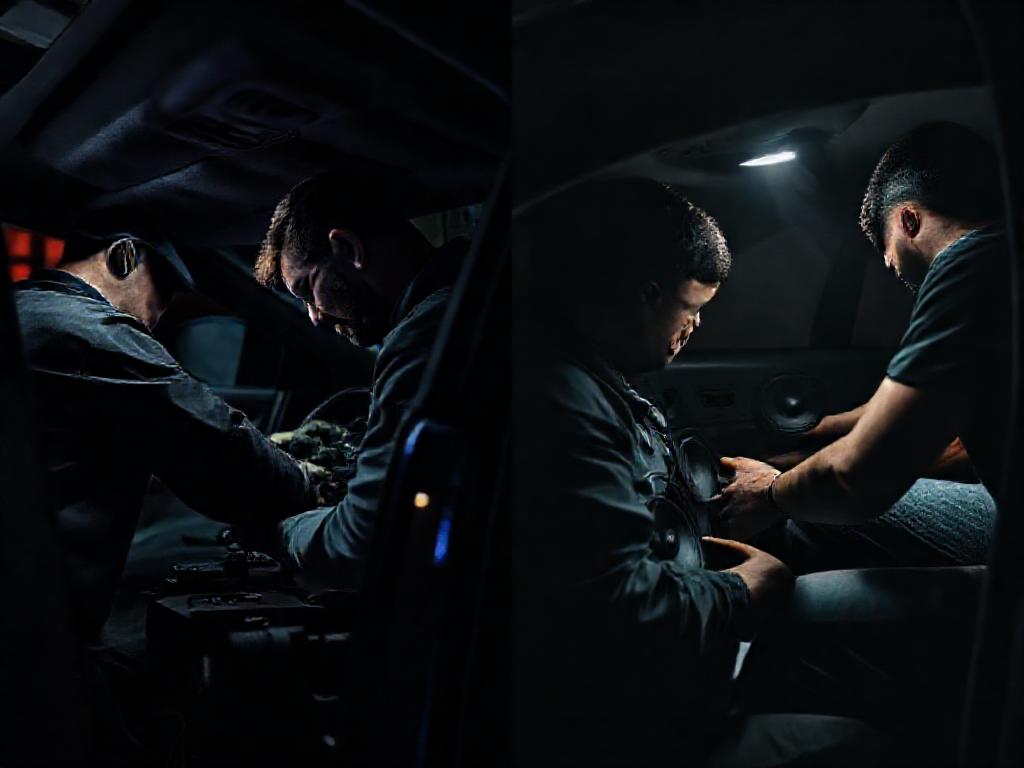
When upgrading your car’s audio system, one of the biggest decisions you’ll face is choosing between professional vs DIY car audio installation. Both options have unique advantages and drawbacks, depending on your budget, technical skills, and desired sound quality. Below, we break down the key differences to help you make an informed choice.
Understanding the Basics of Car Audio Installation
Upgrading your car's audio system can transform your driving experience, but the installation process is just as critical as the components you choose. Whether you opt for a professional vs DIY car audio installation depends on several factors, including your budget, technical skills, and long-term goals. Both approaches have distinct advantages and potential drawbacks, which we’ll explore in detail.
Car audio installation involves more than just swapping out speakers or adding a subwoofer. It requires careful planning, proper wiring, and an understanding of your vehicle’s electrical system. A poorly executed installation can lead to sound quality issues, electrical problems, or even damage to your car. That’s why it’s essential to weigh the pros and cons of each method before diving in.
The Pros and Cons of DIY Car Audio Installation
Advantages of DIY Installation
- Cost Savings: One of the biggest draws of DIY installation is the potential to save money. Labor costs for professional installations can range from $100 to $500 or more, depending on the complexity of the system. By doing it yourself, you only pay for the equipment.
- Flexibility and Control: DIY allows you to work at your own pace and make adjustments as needed. You have full control over the process, from selecting components to fine-tuning the sound to your preferences.
- Learning Experience: Installing your car audio system can be a rewarding learning opportunity. You’ll gain a deeper understanding of your vehicle’s electrical system and how audio components interact, which can be useful for future upgrades or troubleshooting.
Challenges of DIY Installation
- Technical Complexity: Modern vehicles are equipped with sophisticated electrical systems, and improper wiring can lead to short circuits, blown fuses, or even fire hazards. If you’re not familiar with car electronics, you might struggle with tasks like integrating amplifiers or connecting head units.
- Time-Consuming: DIY installations often take longer than expected, especially if you’re new to car audio. What might take a professional a few hours could take you an entire weekend—or longer—if you encounter unexpected issues.
- Risk of Mistakes: Even small errors, like incorrect wiring or improper grounding, can result in poor sound quality or damage to your equipment. In some cases, these mistakes can void warranties on your audio components.
- Limited Tools and Resources: Professionals have access to specialized tools and diagnostic equipment that most DIYers don’t. Without these, you might find it challenging to achieve the same level of precision and performance.
The Benefits of Professional Car Audio Installation
Expertise and Precision
Professional installers bring years of experience and training to the table. They understand the nuances of different vehicle models and can navigate complex wiring systems with ease. This expertise ensures that your system is installed correctly the first time, minimizing the risk of errors that could compromise performance or safety.
Additionally, professionals often have access to manufacturer-specific installation guides and software, which can be invaluable for integrating advanced features like factory integration, steering wheel controls, or vehicle-specific equalization settings. This level of precision is difficult to achieve with a DIY approach.
Warranty and Guarantees
Many professional installers offer warranties on their work, providing peace of mind in case something goes wrong. If an issue arises, you can return to the shop for repairs or adjustments without additional labor costs. This is a significant advantage over DIY installations, where you’re solely responsible for troubleshooting and fixing any problems.
Furthermore, some audio equipment manufacturers require professional installation to validate their warranties. If you’re investing in high-end components, professional installation can help protect your investment.
Time Efficiency
Professional installers can complete the job in a fraction of the time it would take a DIYer. They have the tools, knowledge, and workflow efficiency to get your system up and running quickly, often within a few hours. This is especially beneficial if you rely on your vehicle daily and can’t afford extended downtime.
Key Factors to Consider When Choosing Between Professional vs DIY Car Audio
Your Technical Skills and Experience
Before deciding on a professional vs DIY car audio installation, honestly assess your technical skills. If you have experience with car electronics, basic wiring, and audio systems, you might feel confident tackling the project yourself. However, if you’re new to car audio, the learning curve could be steep, and the risk of mistakes may outweigh the cost savings.
Consider starting with a simple upgrade, like replacing factory speakers or installing a basic amplifier, to gauge your comfort level. If the process goes smoothly, you can gradually take on more complex installations.
Complexity of the Installation
The complexity of your desired audio system plays a significant role in your decision. Simple upgrades, such as swapping out speakers or adding a sound processor, are often manageable for DIYers. However, more advanced setups—like multi-channel amplifiers, custom subwoofer enclosures, or factory integration—require specialized knowledge and tools.
For example, integrating a new head unit with your vehicle’s factory controls or installing a DSP (Digital Signal Processor) can be particularly challenging. In these cases, professional installation is often the safer and more efficient choice.
Budget Considerations
While DIY installation can save you money upfront, it’s essential to consider the long-term costs. Mistakes can lead to expensive repairs or replacements, and the time you spend troubleshooting could be better spent elsewhere. On the other hand, professional installation comes with a higher initial cost but offers reliability and peace of mind.
If you’re on a tight budget, prioritize your upgrades. Start with the most critical components, like speakers or an amplifier, and consider professional installation for more complex tasks. This hybrid approach can help you balance cost and quality.
Time and Convenience
DIY installations require a significant time investment, from researching components to troubleshooting issues. If you have a busy schedule or limited free time, professional installation might be the more convenient option. Professionals can often complete the job in a single day, allowing you to enjoy your upgraded system without the hassle.
Additionally, professional installers can provide valuable advice on system tuning and optimization. They can help you achieve the best possible sound quality, which can be challenging to replicate without specialized equipment and experience.
Common Mistakes to Avoid in DIY Car Audio Installation
Improper Wiring and Grounding
One of the most common mistakes in DIY car audio installation is improper wiring or grounding. Poor grounding can lead to noise issues, like alternator whine or static, while incorrect wiring can cause short circuits or damage to your equipment. Always follow the manufacturer’s instructions and use high-quality wiring kits to avoid these problems.
If you’re unsure about the wiring process, consult online forums, installation guides, or even professional installers for advice. Taking the time to get it right will save you headaches down the road.
Skipping Sound Deadening
Many DIYers overlook the importance of sound deadening in their installations. Factory vehicles often have thin panels and minimal insulation, which can lead to rattles, vibrations, and poor sound quality. Adding sound deadening materials, like dynamat or butyl rubber sheets, can significantly improve your system’s performance by reducing road noise and enhancing bass response.
While it adds an extra step to the installation process, sound deadening is well worth the effort. It’s a relatively simple upgrade that can make a noticeable difference in your audio experience.
Ignoring System Tuning
Even the best audio components won’t perform well if they’re not properly tuned. Many DIYers focus on the physical installation but neglect the tuning process, which involves adjusting equalization, crossover settings, and time alignment. Without proper tuning, your system may sound unbalanced or distorted.
If you’re not familiar with tuning, consider investing in a DSP or consulting a professional for guidance. Many installers offer tuning services, which can help you get the most out of your system.
When to Choose Professional Installation
While DIY installation can be rewarding, there are situations where professional installation is the clear choice. If your project involves any of the following, it’s best to leave it to the experts:
- factory Integration: If you want to retain factory features like steering wheel controls, backup cameras, or vehicle settings, professional installation is often necessary. Installers have the tools and knowledge to integrate these features seamlessly.
- Custom Fabrication: Projects like custom subwoofer enclosures, hidden amplifiers, or unique speaker placements require advanced skills and tools. Professionals can fabricate and install these components with precision.
- High-End Systems: If you’re investing in premium audio components, professional installation ensures that they’re installed and tuned correctly. Brands like Alchimist offer high-performance amplifiers and speakers that benefit from expert installation to deliver their full potential.
- Complex Wiring: Multi-channel amplifiers, DSPs, and advanced signal processors require intricate wiring and configuration. Professionals can handle these tasks efficiently, reducing the risk of errors.
Final Thoughts: Making the Right Choice for Your Car Audio System
Deciding between professional vs DIY car audio installation ultimately comes down to your priorities, skills, and budget. DIY installation offers cost savings, flexibility, and a rewarding learning experience, but it requires time, patience, and a willingness to troubleshoot. Professional installation, on the other hand, provides expertise, efficiency, and peace of mind, but at a higher cost.
If you’re new to car audio or tackling a complex project, professional installation is often the safer choice. However, if you’re confident in your skills and working on a simpler upgrade, DIY can be a great way to save money and customize your system. Whichever route you choose, prioritize quality components and proper installation techniques to achieve the best possible sound.
For those seeking premium audio solutions, brands like Alchimist offer high-end amplifiers, speakers, and signal processors designed to deliver exceptional performance. Whether you install them yourself or opt for professional installation, investing in quality equipment will ensure a superior listening experience for years to come.
For more tips on car audio upgrades, check out our premium audio products or read our expert installation guide.