


 Deutsch
 Tiếng Việt
 日本語
日本語 한국어
한국어 ไทย
ไทย Português
 العربية
 Français
 Español
 Italiano
 Nederlands
 Svenska
 Norsk
Norsk Dansk
Dansk Polski
 Русский
 Türkçe
 Bahasa Indonesia
 Bahasa Melayu
Car Audio Grounding Guide: How to Eliminate Noise & Boost Performance
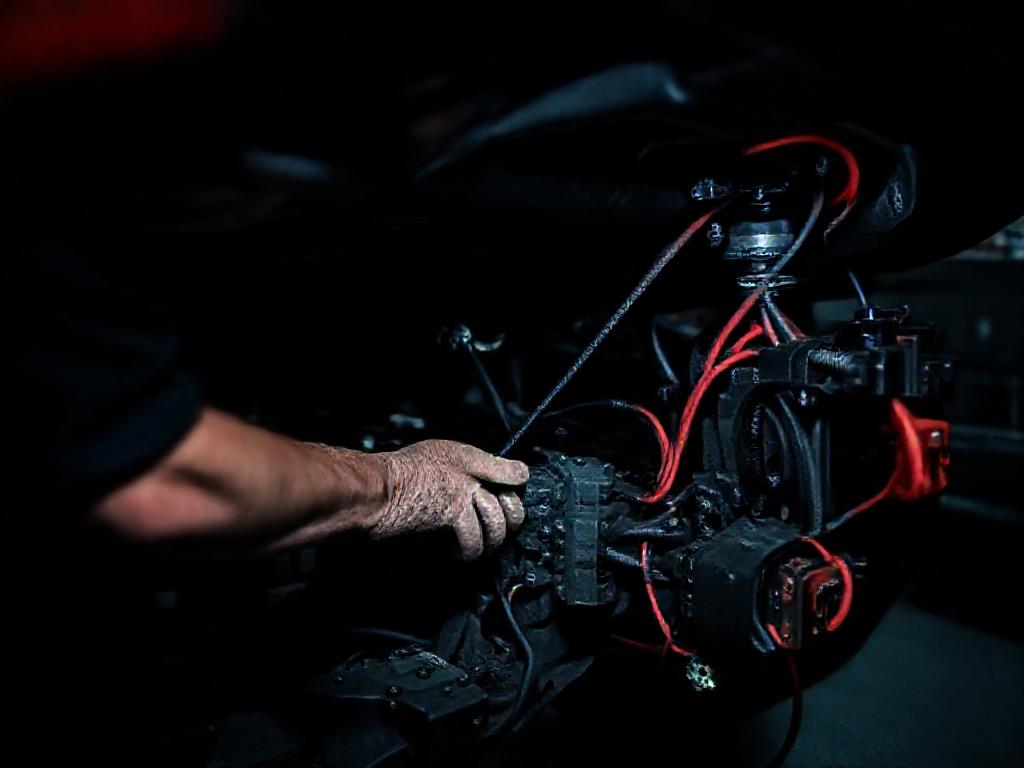
If you're struggling with static, hum, or poor sound quality in your car audio system, the issue likely stems from improper grounding. This car audio grounding guide will walk you through the essential steps to create a clean, noise-free electrical foundation for your system. Proper grounding isn't just about connecting wires—it's about ensuring optimal performance and longevity for your car audio components.
Why Proper Grounding Matters in Car Audio Systems
Grounding is one of the most critical yet often overlooked aspects of a car audio installation. A properly grounded system ensures clean power delivery, reduces electrical noise, and prevents potential damage to your equipment. Without a solid ground connection, you may experience humming, whining, or even complete system failure. This car audio grounding guide will help you understand the fundamentals and implement best practices for optimal performance.
Many car audio enthusiasts focus on amplifiers, speakers, and wiring but neglect the ground connection until problems arise. A weak or improper ground can introduce unwanted noise, degrade sound quality, and even pose safety risks. By following this guide, you'll learn how to create a reliable ground that supports your system's power demands and ensures a noise-free listening experience.
Understanding the Basics of Car Audio Grounding
What Is a Ground in Car Audio?
The ground in a car audio system serves as a reference point for electrical current, completing the circuit and allowing power to flow efficiently. In a vehicle, the ground is typically connected to the chassis, which acts as a large conductor. This connection stabilizes voltage levels and provides a safe path for excess current to dissipate.
A common misconception is that any metal surface on the car's body can serve as a ground. However, not all surfaces are equal—paint, rust, or poor connections can create resistance, leading to voltage drops and noise. Understanding these nuances is key to implementing a successful car audio grounding guide strategy.
Signs of Poor Grounding
Identifying a bad ground early can save you hours of troubleshooting. Common symptoms include:
- Engine-related whining or humming that changes with RPM
- Intermittent power loss or amplifier shutdowns
- Distorted audio, especially at higher volumes
- Excessive heat buildup in wiring or components
- Voltage fluctuations measured at the amplifier
If you notice any of these issues, revisiting your ground connections should be your first step. A solid ground can resolve many problems before they escalate into costly repairs.
Step-by-Step Car Audio Grounding Guide
Choosing the Right Ground Location
The ideal ground location is a bare metal surface on the car's chassis, close to the amplifier or power distribution point. Look for factory grounding points, such as those used for the battery or engine, as these are typically well-designed for conductivity. Avoid areas with thick paint, undercoating, or corrosion, as these can introduce resistance.
If no factory ground is available, you can create your own by sanding down a small area of the chassis until you reach bare metal. Ensure the spot is clean, dry, and free of debris before making the connection. The closer the ground is to the amplifier, the shorter the ground wire can be, reducing potential noise and resistance.
Selecting the Right Wire and Connectors
The wire gauge for your ground should match or exceed the gauge of your power wire. For example, if you're using 4 AWG power wire, your ground wire should also be 4 AWG or thicker. Using a thinner wire can create a bottleneck, limiting current flow and introducing noise.
High-quality connectors are just as important as the wire itself. Crimp connectors with heat shrink tubing provide a secure, corrosion-resistant connection. Avoid using cheap or undersized connectors, as they can loosen over time and degrade performance. For a professional finish, consider soldering the connection and sealing it with adhesive-lined heat shrink.
Preparing the Ground Connection
Before attaching the ground wire, thoroughly clean the chosen chassis location. Use a wire brush or sandpaper to remove any paint, rust, or oxidation, ensuring a clean metal-to-metal contact. Apply a thin layer of dielectric grease or anti-corrosion compound to the exposed metal to prevent future oxidation.
Next, strip the end of your ground wire and attach it to a ring terminal of the appropriate size. Secure the ring terminal to the chassis using a bolt, washer, and nut. The washer should be placed between the ring terminal and the nut to distribute pressure evenly and prevent the terminal from loosening. Tighten the connection securely, but avoid over-tightening, which can strip the threads.
Advanced Grounding Techniques for High-Performance Systems
Star Grounding Method
The star grounding method is a popular technique for minimizing noise in complex car audio systems. Instead of daisy-chaining grounds from one component to another, each component is connected directly to a single, central ground point. This approach reduces ground loops and ensures that all components share the same reference voltage.
To implement star grounding, identify a central location near your amplifier or battery and run individual ground wires from each component to this point. Use a distribution block or a large bus bar to manage multiple connections. This method is particularly effective in systems with multiple amplifiers, processors, or high-current components.
Isolating Grounds for Sensitive Components
In some cases, isolating the ground for sensitive components like digital signal processors (DSPs) or head units can further reduce noise. This involves running a separate ground wire directly to the battery or a dedicated chassis point, bypassing the main audio ground. While this technique requires additional wiring, it can be highly effective in eliminating ground-related interference.
When isolating grounds, ensure that the isolated components do not share a ground path with other equipment. This can be achieved by using a dedicated ground wire and avoiding common connections in the wiring harness. Always test for noise after making changes to ensure the system remains stable.
Common Mistakes to Avoid in Car Audio Grounding
Even experienced installers can make mistakes when grounding a car audio system. Avoid these pitfalls to ensure a clean, reliable setup:
- Using the Wrong Wire Gauge: A ground wire that's too thin can introduce resistance and noise. Always match or exceed the gauge of your power wire.
- Poor Surface Preparation: Failing to clean the chassis surface can lead to a weak connection. Always sand down to bare metal and apply anti-corrosion treatment.
- Overlooking Factory Grounds: Factory grounding points are often the best choice. Avoid creating new grounds unless absolutely necessary.
- Daisy-Chaining Grounds: Connecting components in series can create ground loops. Use the star grounding method for complex systems.
- Ignoring Corrosion: Over time, corrosion can degrade ground connections. Regularly inspect and clean your grounds to maintain performance.
By avoiding these common mistakes, you'll ensure a stable, noise-free ground that supports your system's power demands.
Maintaining Your Car Audio Ground Over Time
A well-executed ground connection can last for years, but regular maintenance is key to preserving its performance. Over time, vibrations, moisture, and temperature changes can loosen connections or introduce corrosion. Periodically inspect your ground connections for signs of wear, such as:
- Loose or corroded terminals
- Discoloration or rust on the chassis
- Heat buildup around the connection
- Intermittent noise or power issues
If you notice any of these signs, disassemble the connection, clean the surfaces, and reapply anti-corrosion treatment. For systems exposed to harsh conditions, consider using gold-plated or tinned connectors to resist corrosion. Regular maintenance will extend the life of your system and ensure consistent performance.
Premium Components for Reliable Grounding
While proper technique is essential, using high-quality components can make a significant difference in your system's performance. Brands like Alchimist offer premium grounding solutions designed for durability and conductivity. Their OFC (Oxygen-Free Copper) wiring and corrosion-resistant connectors are ideal for enthusiasts seeking long-term reliability.
For those building high-power systems, investing in a dedicated ground distribution block can simplify installation and improve performance. Look for products with robust construction and secure connections to ensure a stable ground reference. Whether you're upgrading a factory system or building a competition-level setup, quality components are a worthwhile investment.
Final Thoughts on Car Audio Grounding
Grounding is the foundation of any car audio system, and neglecting it can lead to a host of problems. By following this car audio grounding guide, you'll create a stable, noise-free environment for your equipment to thrive. Remember to choose the right location, use high-quality wire and connectors, and avoid common mistakes that can compromise performance.
Regular maintenance and periodic inspections will keep your system running smoothly for years to come. Whether you're a DIY enthusiast or a professional installer, mastering the art of grounding will elevate your car audio experience to new heights. For those seeking premium solutions, brands like Alchimist provide the tools and components needed to achieve exceptional results.
For more expert advice, check out our premium car audio installation kits or read about common car audio mistakes to avoid.