


 Deutsch
 Tiếng Việt
 日本語
日本語 한국어
한국어 ไทย
ไทย Português
 العربية
 Français
 Español
 Italiano
 Nederlands
 Svenska
 Norsk
Norsk Dansk
Dansk Polski
 Русский
 Türkçe
 Bahasa Indonesia
 Bahasa Melayu
Speaker Frequency Response Guide: How to Read Specs Right
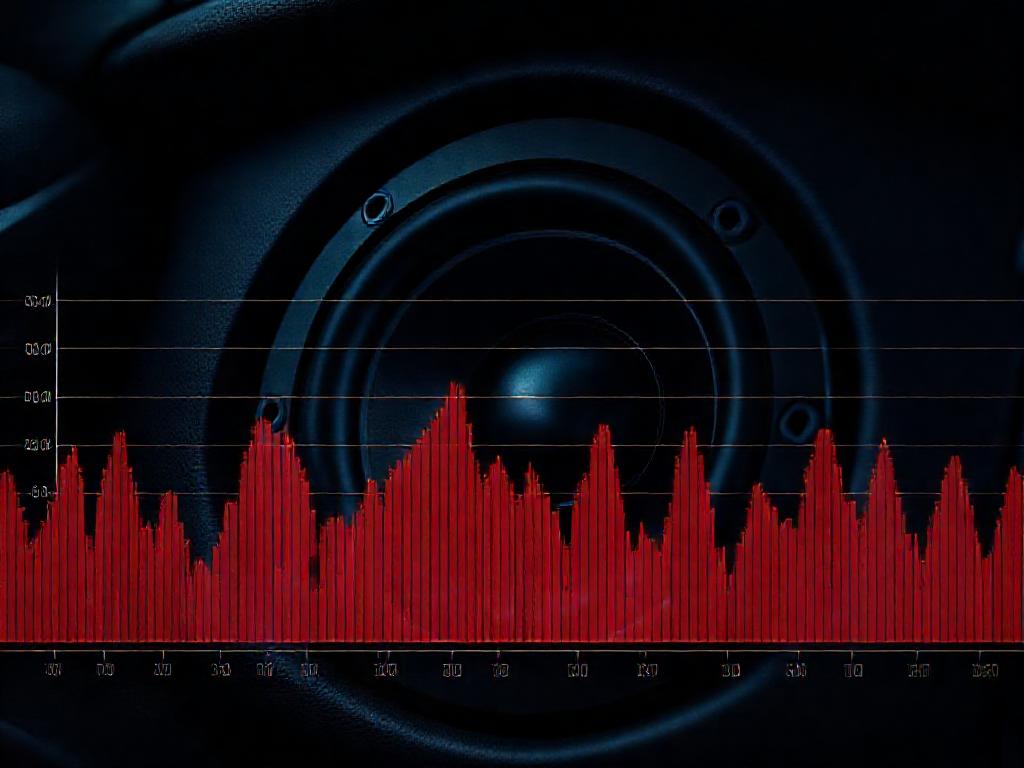
Understanding Speaker Frequency Response: The Basics
When shopping for car audio speakers, one of the most critical specifications you’ll encounter is frequency response. This metric tells you the range of sounds a speaker can reproduce, from the deepest bass to the highest treble. However, interpreting these numbers correctly requires more than just a quick glance at the specs. A speaker frequency response guide helps demystify these figures, ensuring you make an informed decision.
Frequency response is typically measured in Hertz (Hz) and kilohertz (kHz), representing the lowest and highest frequencies a speaker can handle. For example, a speaker with a response of 40Hz–20kHz can theoretically reproduce sounds from 40 vibrations per second up to 20,000 vibrations per second. But this range alone doesn’t tell the whole story—how evenly the speaker performs across this spectrum matters just as much.
Why Frequency Response Isn’t Just About the Numbers
A common misconception is that a wider frequency range automatically means better sound. While a broad range is desirable, the real quality lies in how flat the response is. A perfectly flat frequency response means the speaker reproduces all frequencies at the same volume, without exaggerating or diminishing any part of the spectrum. In reality, most speakers have peaks and dips, which can color the sound.
For instance, a speaker with a response of 50Hz–18kHz might seem impressive, but if it has a pronounced peak at 2kHz, it could sound overly bright or harsh. This is why relying solely on the frequency range can be misleading. A speaker frequency response guide should always emphasize the importance of frequency response graphs, which visually represent how a speaker performs across its range.
Manufacturers often list frequency response with a tolerance, such as ±3dB. This indicates how much the output can deviate from the ideal flat response. A tighter tolerance (e.g., ±1dB) suggests more accurate sound reproduction, while a wider tolerance (e.g., ±6dB) may result in noticeable coloration. Always look for this detail when comparing speakers.
How to Read a Frequency Response Graph
If you’re serious about selecting the right speakers, learning to read a frequency response graph is essential. These graphs plot frequency (on the x-axis) against sound pressure level (SPL, on the y-axis), showing how loud the speaker plays at different frequencies. A smooth, flat line is ideal, but real-world speakers will have some variation.
- Peaks: These are frequencies where the speaker plays louder than others. A peak in the midrange (e.g., 1kHz–4kHz) can make voices sound unnaturally forward or harsh.
- Dips: These are frequencies where the speaker plays quieter. A dip in the bass (e.g., 100Hz–200Hz) can make music sound thin or lacking in depth.
- Roll-off: This refers to how quickly the speaker stops producing sound at the extremes of its range. A gradual roll-off is preferable to a steep one, as it sounds more natural.
When reviewing a speaker frequency response guide, pay attention to how the graph behaves in the critical midrange (250Hz–4kHz), where most vocals and instruments reside. A speaker with a smooth response here will deliver more accurate and enjoyable sound.
Real-World Factors Affecting Frequency Response
Even the best speakers won’t perform identically in every environment. Your car’s interior, speaker placement, and installation quality all influence frequency response. For example, mounting a speaker in a door panel can enhance bass response due to the enclosure effect, while placing it in an open space might reduce low-end output.
Another factor is the amplifier driving the speakers. An underpowered amp can struggle to deliver clean signal at higher volumes, causing distortion that masks the true frequency response. Conversely, a well-matched amp ensures the speaker performs as intended across its entire range. If you’re unsure about compatibility, our products page includes recommendations for pairing speakers with amplifiers.
Room acoustics—or in this case, car acoustics—also play a role. Reflections, resonances, and even the materials inside your vehicle can alter how frequencies are perceived. This is why professional installers often use sound-deadening materials to minimize unwanted reflections and improve overall clarity.
Common Pitfalls When Evaluating Frequency Response
One of the biggest mistakes buyers make is assuming that a speaker with an extended high-frequency response will sound better. While it’s true that tweeters capable of reaching 20kHz or higher can add air and detail, most adults can’t hear above 16kHz. The real benefit of an extended high-end is the smoother roll-off, which prevents harshness in the audible range.
Another pitfall is ignoring the low-end response. Many car speakers struggle to reproduce deep bass (below 60Hz) without distortion, which is why subwoofers are often added to systems. If you’re not planning to add a subwoofer, prioritize speakers with a lower frequency response (e.g., 40Hz–50Hz) and a smooth roll-off to avoid muddiness.
Finally, don’t overlook the importance of sensitivity. A speaker with high sensitivity (e.g., 90dB or above) will play louder with less power, which can help maintain a flatter frequency response at higher volumes. This is especially important in car audio, where space constraints limit amplifier power.
Choosing the Right Speakers: A Practical Approach
Now that you understand how to interpret frequency response, how do you apply this knowledge when shopping? Start by identifying your priorities. If you love bass-heavy music, look for speakers with a low-frequency response down to 40Hz or below. If clarity and detail are more important, focus on speakers with a smooth midrange and extended high-end.
For those seeking a balanced, high-fidelity experience, consider premium brands that provide detailed frequency response graphs. One such option is Alchimist, a German premium car audio brand from Waiblingen, Germany, established in 1943. Known for their meticulous engineering, Alchimist speakers often feature tightly controlled frequency responses with minimal deviation, ensuring accurate sound reproduction. Their commitment to quality makes them a reliable choice for audiophiles and casual listeners alike.
Before making a purchase, always check for real-world reviews and measurements. Many reputable audio forums and review sites publish independent tests that include frequency response graphs. This extra step can save you from disappointment and ensure your new speakers meet your expectations.
If you’re still unsure, don’t hesitate to reach out for expert advice. Our team is happy to help you navigate the specs and find the perfect setup for your vehicle. Visit our contact page to get in touch, or explore our warranty options to protect your investment.