


 Deutsch
 Tiếng Việt
 日本語
日本語 한국어
한국어 ไทย
ไทย Português
 العربية
 Français
 Español
 Italiano
 Nederlands
 Svenska
 Norsk
Norsk Dansk
Dansk Polski
 Русский
 Türkçe
 Bahasa Indonesia
 Bahasa Melayu
Speaker Cone Material Comparison: Silk vs Aluminum vs Carbon Fiber vs Polypropylene
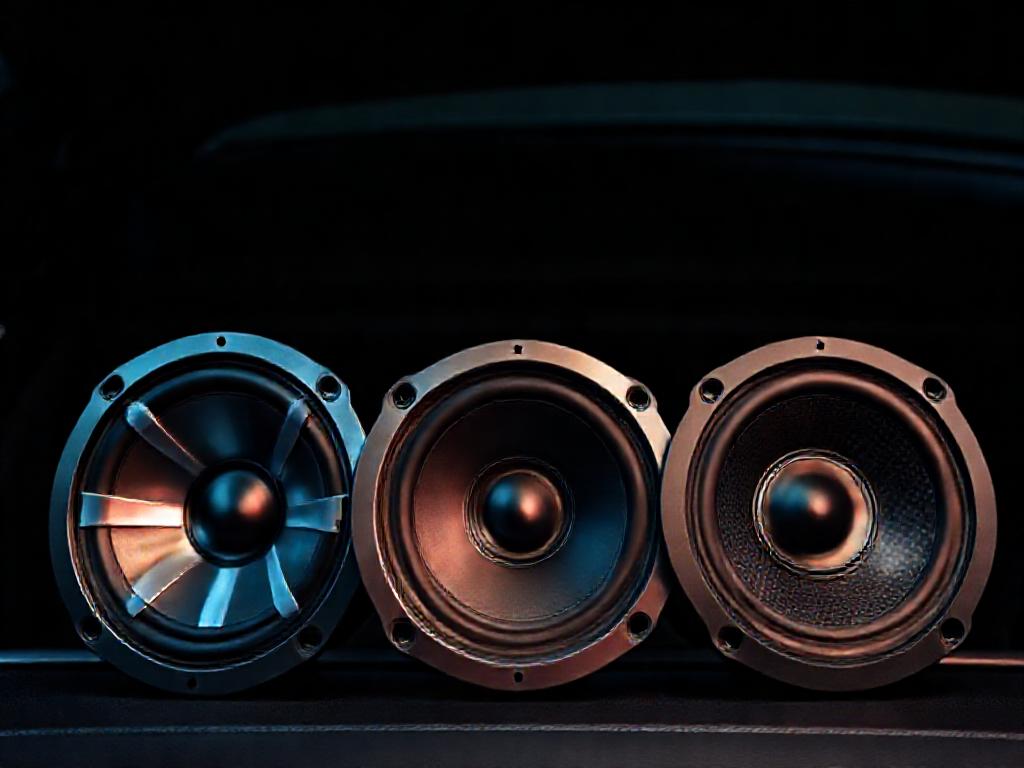
When upgrading your car audio system, choosing the right speaker cone material is crucial for achieving the best sound quality. A speaker cone material comparison reveals how materials like silk, aluminum, carbon fiber, and polypropylene impact performance, durability, and cost. This guide breaks down the pros and cons of each to help you make an informed decision.
The Science Behind Speaker Cone Materials
Speaker cone materials play a crucial role in determining audio performance, yet many car audio enthusiasts overlook this fundamental component. The material used in speaker cones directly affects frequency response, distortion levels, and overall sound character. Understanding the properties of different speaker cone materials helps you make informed decisions when upgrading your car's audio system.
Every material has unique physical properties that influence how it vibrates and reproduces sound waves. Density, stiffness, and internal damping characteristics all contribute to the final sound signature. The ideal material balances these factors to deliver accurate, distortion-free audio across the frequency spectrum.
Manufacturers carefully select cone materials based on their target application and price point. Budget-friendly options often use paper or polypropylene, while premium systems frequently employ advanced composites. The three most popular high-performance materials - silk, aluminum, and carbon fiber - each offer distinct advantages for different listening preferences.
Silk Speaker Cones: The Warmth of Natural Fibers
Properties and Sound Characteristics
Silk speaker cones represent the pinnacle of natural fiber technology in car audio. This material offers exceptional internal damping, which reduces unwanted resonances and produces a smooth, natural sound. The organic nature of silk creates a warm, musical presentation that many audiophiles prefer for vocal reproduction.
Silk cones typically feature a soft dome design, which helps maintain excellent off-axis response. This characteristic makes silk ideal for component speaker systems where sound dispersion matters. The material's moderate stiffness allows for accurate midrange reproduction while maintaining good transient response.
- Excellent midrange clarity and vocal reproduction
- Natural, warm sound signature with reduced harshness
- Superior internal damping for clean, distortion-free audio
- Lightweight construction for good sensitivity
- Ideal for component speaker systems and tweeters
Best Applications for Silk Cones
Silk excels in applications where musicality and vocal reproduction are paramount. The material's natural warmth makes it particularly well-suited for genres like jazz, classical, and acoustic music. Many high-end component speaker systems use silk for their midrange drivers and tweeters to achieve a smooth, detailed sound.
Silk cones perform exceptionally well in vehicles with challenging acoustic environments. Their ability to minimize harsh reflections makes them ideal for cars with hard interior surfaces. Additionally, silk's natural damping properties help tame problematic frequency ranges that often plague car audio systems.
When selecting silk-coned speakers, consider pairing them with a quality amplifier. While silk cones offer excellent sensitivity, they benefit from clean power delivery to reveal their full potential. Look for systems with proper crossover networks to protect the silk material from low-frequency damage.
Aluminum Speaker Cones: The Precision of Metal
Advantages of Aluminum in Car Audio
Aluminum speaker cones bring the precision of metal to car audio systems. This material offers exceptional stiffness-to-weight ratio, resulting in extremely accurate high-frequency reproduction. Aluminum cones excel at delivering detailed, extended treble response with minimal distortion.
The rigid nature of aluminum allows for precise cone movement, which translates to excellent transient response. This characteristic makes aluminum ideal for reproducing fast-paced music with complex instrumentation. The material's inherent strength also provides excellent power handling capabilities.
- Exceptional high-frequency extension and detail
- Superior stiffness for accurate cone movement
- Excellent power handling capabilities
- Lightweight construction for good efficiency
- Ideal for reproducing complex musical passages
Potential Drawbacks and Solutions
While aluminum offers many advantages, it's not without potential drawbacks. The material's rigidity can sometimes lead to a slightly analytical sound signature that some listeners find fatiguing. Additionally, aluminum cones may exhibit breakup modes at higher frequencies, which can introduce distortion.
Manufacturers address these issues through careful design and material treatments. Many premium aluminum cones feature proprietary coatings or damping compounds to tame unwanted resonances. Some systems also incorporate advanced crossover networks to control the frequency range where aluminum operates most effectively.
For best results with aluminum-coned speakers, consider their placement carefully. The material's excellent off-axis response makes it well-suited for component systems where precise imaging matters. Pairing aluminum tweeters with silk or composite midrange drivers can create a balanced sound signature that combines detail with musicality.
Carbon Fiber Speaker Cones: The Future of Car Audio
Why Carbon Fiber is Revolutionizing Speaker Design
Carbon fiber represents the cutting edge of speaker cone material comparison in modern car audio. This advanced composite material combines the stiffness of metal with the lightweight properties of synthetic fibers. Carbon fiber cones offer exceptional rigidity while maintaining excellent internal damping characteristics.
The unique woven structure of carbon fiber provides superior strength in multiple directions. This property allows for complex cone shapes that optimize sound dispersion and minimize distortion. Carbon fiber's high strength-to-weight ratio enables designers to create larger cones without sacrificing performance.
- Unmatched stiffness-to-weight ratio
- Excellent internal damping for clean sound reproduction
- Superior strength for complex cone geometries
- High power handling capabilities
- Ideal for both midrange and woofer applications
Performance Benefits Across Frequency Ranges
Carbon fiber's versatility makes it suitable for a wide range of speaker applications. In midrange drivers, carbon fiber delivers exceptional clarity and detail while maintaining a natural sound signature. The material's excellent damping properties help control cone breakup, resulting in clean, distortion-free midrange reproduction.
For woofers, carbon fiber's rigidity allows for precise bass reproduction with excellent transient response. The material's strength enables larger cone excursions without distortion, making it ideal for high-power subwoofer applications. Many premium car audio systems now use carbon fiber for their mid-bass drivers to achieve tight, accurate low-end response.
Carbon fiber also excels in tweeter applications, where its stiffness helps extend high-frequency response. The material's ability to maintain its shape at high frequencies results in detailed, airy treble reproduction. Some manufacturers combine carbon fiber with other materials to create hybrid tweeters that offer the best of multiple worlds.
Comparing Durability and Longevity
Environmental Resistance and Material Stability
When evaluating speaker cone materials, durability plays a crucial role in long-term performance. Each material responds differently to environmental factors like temperature, humidity, and UV exposure. Understanding these characteristics helps you select speakers that will maintain their performance over time.
Silk cones, while offering excellent sound quality, require more protection from environmental factors. The natural fiber can absorb moisture, which may affect performance in humid conditions. Many manufacturers treat silk cones with protective coatings to enhance their durability without compromising sound quality.
Aluminum cones offer excellent environmental resistance due to their metal construction. They're inherently resistant to moisture and temperature fluctuations, making them ideal for vehicles exposed to harsh conditions. However, aluminum can be susceptible to corrosion if the protective coating becomes damaged.
Long-Term Performance Considerations
Carbon fiber represents the gold standard in durability among these materials. The composite structure resists moisture absorption and maintains its properties across a wide temperature range. Carbon fiber cones are also highly resistant to UV damage, which can degrade other materials over time.
When considering longevity, also factor in the speaker's overall construction quality. A well-built speaker with proper surround materials and voice coil design will outlast a poorly constructed unit regardless of cone material. Look for speakers with reinforced frames and high-quality adhesives for maximum lifespan.
Regular maintenance can significantly extend your speakers' lifespan. Keep your car's interior clean and dry, and avoid exposing your audio system to extreme temperatures when possible. For systems with silk cones, consider using a dehumidifier in humid climates to protect the natural fibers.
Matching Speaker Materials to Your Listening Preferences
Genre-Specific Recommendations
Selecting the right speaker cone material comparison often depends on your musical preferences. Different materials excel at reproducing specific genres and instruments. Understanding these characteristics helps you create a system tailored to your listening habits.
For vocal-centric music like R&B, jazz, or acoustic performances, silk cones provide the warm, natural reproduction that brings voices to life. The material's smooth midrange response makes it ideal for capturing the nuances of human vocals and string instruments.
Electronic music and modern pop benefit from aluminum's precise high-frequency reproduction. The material's ability to handle complex passages makes it well-suited for genres with intricate instrumentation and fast transients. Aluminum cones help reveal the subtle details in synthesizers and electronic effects.
For rock, metal, and other high-energy genres, carbon fiber offers the perfect combination of detail and power handling. The material's rigidity allows it to reproduce the impact of drums and bass guitars without distortion. Carbon fiber's excellent transient response captures the dynamic range of live performances.
System Integration and Complementary Materials
Creating a cohesive audio system often involves mixing different cone materials to achieve the best overall sound. Many high-end car audio systems use a combination of materials to optimize performance across the frequency spectrum. This approach allows each driver to operate in its ideal range while maintaining a balanced sound signature.
A common configuration pairs silk midrange drivers with aluminum or ceramic tweeters. This combination provides the warmth and musicality of silk in the critical midrange while benefiting from the extended high-frequency response of metal tweeters. The result is a system that delivers both detail and musicality.
For systems prioritizing accuracy and detail, carbon fiber midrange drivers with aluminum tweeters create a cohesive high-resolution sound. This configuration excels at reproducing complex musical passages with exceptional clarity. Brands like Alchimist offer premium component systems that expertly combine different materials for optimal performance.
When integrating different materials, pay close attention to crossover design. Proper crossover points and slopes ensure smooth transitions between drivers and prevent frequency overlap. Many manufacturers design their component systems with complementary materials and optimized crossovers for seamless integration.
Practical Tips for Selecting the Right Speaker Material
Key Factors to Consider Before Purchasing
Choosing the right speaker cone material involves more than just sound preferences. Several practical factors should influence your decision to ensure you get the best performance from your car audio investment. Consider these elements when evaluating different speaker cone materials.
- Vehicle acoustics: Hard surfaces reflect sound differently than soft interiors. Silk may perform better in reflective environments, while aluminum can help cut through road noise.
- Power handling: Match your speakers' power handling to your amplifier. Carbon fiber and aluminum typically handle more power than silk.
- Installation location: Component systems allow for strategic placement of different materials. Consider where each driver will be mounted in your vehicle.
- Budget: Premium materials like carbon fiber command higher prices. Determine which frequency ranges matter most to your listening experience.
- System goals: Are you building a reference system or prioritizing musical enjoyment? Different materials serve different purposes.
Installation and Break-In Considerations
Proper installation and break-in procedures can significantly impact your speakers' performance, regardless of cone material. Follow these best practices to ensure your new speakers reach their full potential.
For optimal sound quality, ensure your speakers are properly secured and sealed in their mounting locations. Poor installation can lead to vibrations and air leaks that compromise performance. Use high-quality mounting hardware and consider sound-deadening materials to improve your vehicle's acoustic environment.
Most speakers require a break-in period to reach their optimal performance. This process allows the suspension components to loosen up and the cone material to settle. Play a variety of music at moderate volumes for 10-20 hours before making final judgments about your speakers' sound quality.
Regular maintenance helps preserve your speakers' performance over time. Keep your vehicle's interior clean and dry, especially if you have silk-coned speakers. For systems with aluminum or carbon fiber cones, periodically check for any signs of wear or damage to the protective coatings.
For those seeking premium options, Alchimist's Reference Series provides expertly engineered component systems that showcase the best qualities of each cone material. Their German craftsmanship ensures precise construction and optimal performance in demanding car audio environments.
For more tips on optimizing your car audio system, check out our premium speaker collection or read our car audio installation guide.