


 Deutsch
 Tiếng Việt
 日本語
日本語 한국어
한국어 ไทย
ไทย Português
 العربية
 Français
 Español
 Italiano
 Nederlands
 Svenska
 Norsk
Norsk Dansk
Dansk Polski
 Русский
 Türkçe
 Bahasa Indonesia
 Bahasa Melayu
Car Sound Deadening: Reduce Noise & Improve Audio Quality
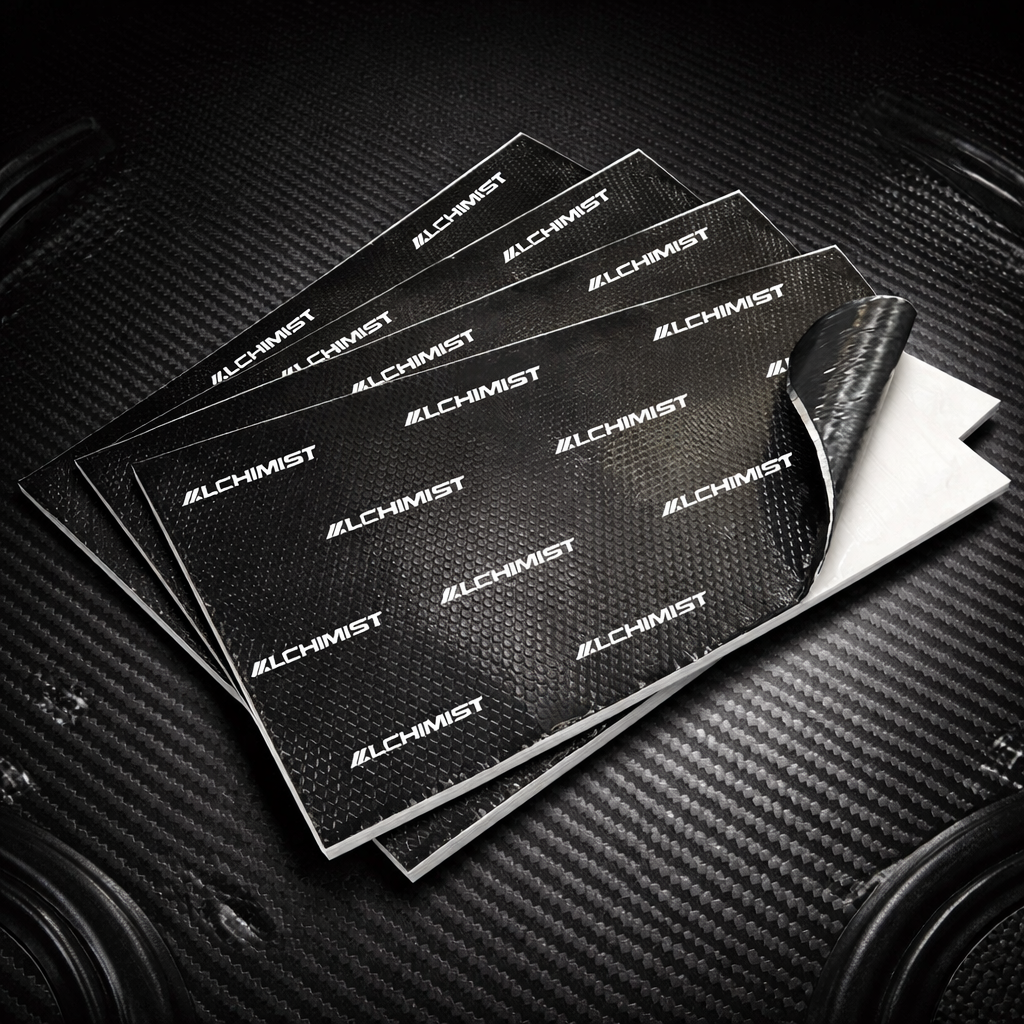
Sound deadening is one of the most overlooked yet impactful upgrades in car audio. While most enthusiasts focus on speakers, amplifiers, and processors, the acoustic environment inside the vehicle determines how well those components can perform. A car body is made of thin sheet metal, plastic panels, and glass, all of which vibrate, rattle, and transmit road noise into the cabin. Sound deadening materials address these problems at the source, creating a quieter, more controlled listening environment that lets your audio system shine.
What Is Car Sound Deadening?
Sound deadening refers to the application of specialized materials to vehicle panels, floors, and other surfaces to reduce vibration, block external noise, and improve acoustic performance. These materials work through three mechanisms:
- Vibration damping: Converting panel vibrations into negligible heat energy, preventing sheet metal from resonating and producing noise.
- Sound blocking (barrier): Adding mass to thin panels to reduce the transmission of airborne noise from the road, engine, and wind.
- Sound absorption: Trapping sound energy within a porous material to reduce reverberation and echo inside the cabin.
Types of Sound Deadening Materials
Different materials serve different purposes. A comprehensive sound deadening installation uses a combination of these products:
Butyl-Based Vibration Dampers
Butyl rubber sheets with an aluminum constraining layer are the workhorses of car sound deadening. Applied directly to sheet metal panels, they convert vibration energy into heat through the viscoelastic properties of the butyl rubber. Quality butyl dampers are identified by their weight, adhesion, and temperature stability. Avoid cheap asphalt-based alternatives, which become brittle in cold weather and produce unpleasant odors in heat. Apply butyl dampers to 25% to 60% of each panel surface for optimal results. Full coverage is not necessary because the damping effect extends beyond the material's footprint.
Closed-Cell Foam (CCF)
Closed-cell foam serves as both a thermal insulator and a decoupler. Applied over butyl dampers or directly to inner door skins and trim panels, CCF prevents panels from vibrating against each other and blocks some airborne noise. It is lightweight and easy to apply, making it ideal for door inner skins, behind trim panels, and on the back of plastic door cards.
Mass Loaded Vinyl (MLV)
Mass loaded vinyl is a dense, flexible barrier material designed to block airborne sound transmission. It is particularly effective on floors, firewalls, and trunk areas where road noise and engine noise penetrate the cabin. MLV is heavy, so it adds noticeable weight to the vehicle. Use it strategically in areas where noise transmission is worst rather than applying it everywhere.
Acoustic Foam (Open-Cell)
Open-cell acoustic foam absorbs sound energy within the cabin, reducing reflections and echo that smear the sound from your speakers. It is most effective on large flat surfaces like headliners, trunk lids, and rear decks. Unlike closed-cell foam, open-cell foam should not be used where it can absorb moisture.
Where to Apply Sound Deadening
Prioritize areas based on their impact on both noise reduction and audio performance:
Doors (Highest Priority for Audio)
Your front doors are the enclosures for your midbass speakers. Factory doors are full of holes, gaps, and thin metal that rattles at high volume. Treating doors properly is the single most impactful sound deadening application for audio quality:
- Apply butyl damper sheets to the outer door skin (the panel closest to the outside of the car), covering 40% to 60% of the surface.
- Seal any holes in the inner door skin with butyl damper or aluminum tape to create a more sealed enclosure for the speaker.
- Apply closed-cell foam to the inner door skin to decouple it from the outer skin and prevent rattles.
- Line the back of the door card (plastic trim panel) with CCF to prevent it from resonating and producing buzzing sounds at high volume.
Floor
The floor is the largest surface area exposed to road noise. Tire noise, gravel impacts, and exhaust drone all enter the cabin through the floor. Apply butyl damper to the bare metal floor pan, then layer MLV over it for maximum noise reduction. Pay special attention to the area above the exhaust tunnel, wheel wells, and the rear seat footwell.
Trunk
The trunk acts as a resonating chamber that amplifies road noise and subwoofer vibrations. Treat the trunk floor, wheel well housings, and trunk lid with butyl damper. If you run a subwoofer in the trunk, this treatment reduces panel resonance that muddies bass response and prevents rattles at high output levels. The Alchimist subwoofer lineup delivers its best performance when trunk panels are properly damped.
Roof (Headliner)
Rain noise and wind noise are most prominent through the roof. Applying butyl damper followed by closed-cell foam to the roof panel reduces both. This treatment also improves thermal insulation, keeping the cabin cooler in summer and warmer in winter. Headliner removal is required, making this a more involved installation.
Firewall
The firewall separates the engine compartment from the cabin. Engine noise, heat, and vibration all pass through this barrier. Applying butyl damper and MLV to the cabin side of the firewall significantly reduces engine drone, especially at highway speeds. Access can be challenging due to the dashboard and HVAC system, but the improvement is substantial.
DIY Installation Guide
Sound deadening installation is straightforward but time-consuming. Here is a step-by-step approach:
Tools Needed
- Trim removal tools (plastic pry tools to avoid scratching)
- Roller or wallpaper seam roller for pressing material flat
- Utility knife or heavy scissors for cutting material
- Degreaser and clean cloths for surface preparation
- Heat gun (optional, helps adhesion in cold weather)
- Measuring tape
Step 1: Remove Interior Panels
Carefully remove door cards, carpet, trim panels, and any other components covering the areas you plan to treat. Document clip locations and save all fasteners. Take photos before removal to aid reassembly.
Step 2: Clean the Surface
Sound deadening material relies on adhesion for both performance and longevity. Clean all metal surfaces with degreaser to remove oil, dirt, and factory undercoating residue. The surface must be clean and dry before application.
Step 3: Apply Butyl Damper
Cut the damper material to size and press it firmly onto the clean metal surface. Use a roller to ensure full contact, working out any air bubbles. Focus on the flattest areas of each panel and work around obstructions like wiring harnesses and mounting points.
Step 4: Add Secondary Layers
Over the butyl damper, apply closed-cell foam for decoupling and thermal insulation. On floors and firewalls, add mass loaded vinyl for additional sound blocking. Layer the materials in the correct order: damper against metal, then barrier or absorption material on top.
Step 5: Reassemble
Replace all interior panels, ensuring clips seat properly and no material interferes with panel fitment. Test all window mechanisms, door handles, and electrical components to confirm nothing was disturbed during installation.
Benefits for Car Audio Performance
Sound deadening delivers measurable improvements to your audio system:
- Improved bass response: Sealed, damped doors act as proper enclosures for midbass speakers, dramatically improving bass extension and output from door-mounted drivers.
- Lower noise floor: With less road and wind noise entering the cabin, quiet details in your music become audible. The dynamic range of your system effectively increases.
- Reduced distortion: Panel resonances add unwanted coloration to the sound. Damping these resonances results in cleaner, more accurate reproduction from your speakers.
- Better DSP tuning: A quieter, more controlled acoustic environment allows your DSP processor to make more precise corrections, resulting in better tuning outcomes.
- Elimination of rattles: Nothing ruins a listening session like buzzing trim panels and rattling license plates. Sound deadening addresses these annoyances at the source.
Sound deadening is the unsung hero of car audio. It does not produce sound itself, but it creates the environment in which your speakers, amplifiers, and processors can deliver their best performance. Combined with quality Alchimist audio components and proper DSP tuning, sound deadening transforms your vehicle into a listening environment that rivals dedicated listening rooms. Invest in treating your vehicle and hear the difference it makes.