


 Deutsch
 Tiếng Việt
 日本語
日本語 한국어
한국어 ไทย
ไทย Português
 العربية
 Français
 Español
 Italiano
 Nederlands
 Svenska
 Norsk
Norsk Dansk
Dansk Polski
 Русский
 Türkçe
 Bahasa Indonesia
 Bahasa Melayu
Future Car DSP Technology: AI-Powered Sound Tuning
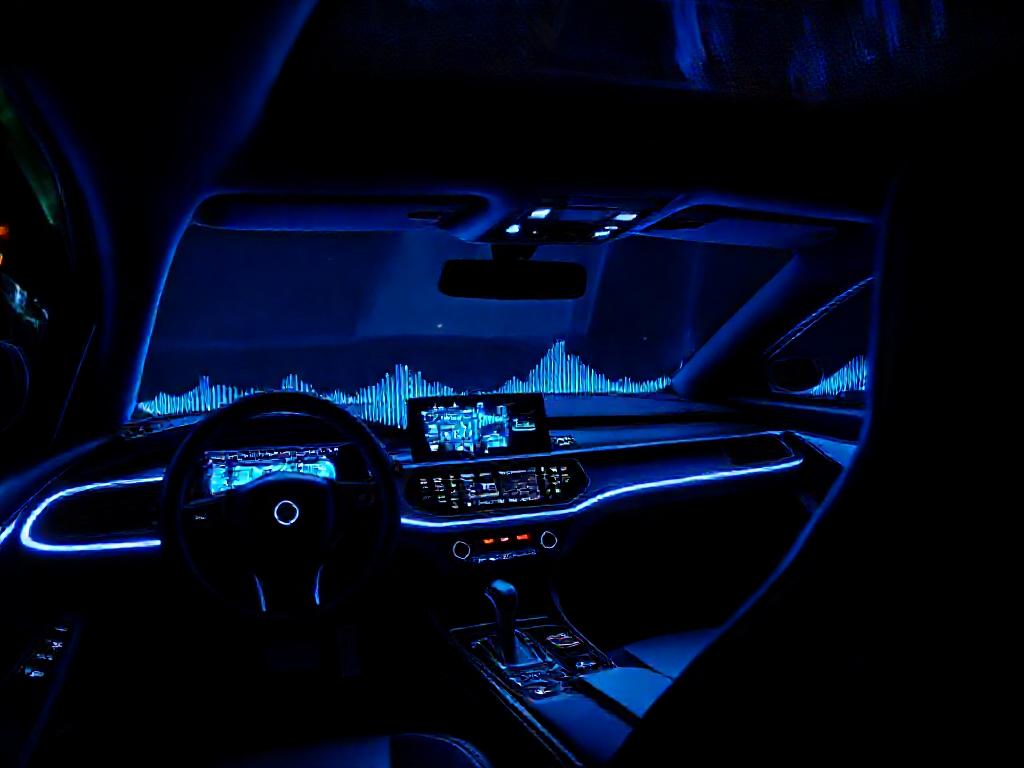
The Evolution of Car DSP Technology
Digital Signal Processing (DSP) has long been the backbone of high-performance car audio systems. Traditionally, DSP units have allowed enthusiasts and professionals to fine-tune sound by adjusting equalization, time alignment, and crossover settings. However, the future of car DSP technology is poised to transcend these manual adjustments, thanks to advancements in artificial intelligence (AI). This shift promises to make premium sound quality more accessible while delivering unprecedented customization.
Early DSP systems required extensive technical knowledge, often necessitating hours of trial and error to achieve optimal sound. Today, AI-powered solutions are streamlining this process, analyzing acoustic environments in real time and making adjustments dynamically. The future car DSP technology will not only simplify tuning but also adapt to changing conditions, such as road noise, cabin materials, and even passenger positions.
How AI is Transforming Car Audio Tuning
AI is revolutionizing car audio by introducing self-learning algorithms that can interpret and respond to acoustic data. Unlike traditional DSP, which relies on static presets, AI-powered systems use machine learning to identify patterns in sound reproduction. For example, these systems can detect frequency imbalances caused by reflective surfaces or absorbant materials within the vehicle and compensate accordingly.
One of the most exciting developments in future car DSP technology is the integration of neural networks. These networks can process vast amounts of audio data, learning from each adjustment to improve sound quality over time. This means that the more you drive, the better your system sounds, as the AI refines its tuning based on your preferences and the unique acoustics of your vehicle.
- Real-time adjustments: AI can modify sound settings on the fly, adapting to changes in cabin acoustics or external noise.
- Personalized sound profiles: Machine learning algorithms can create individualized sound signatures based on user preferences.
- Predictive tuning: AI can anticipate acoustic challenges, such as road noise or wind, and preemptively adjust settings.
The Role of Sensors and Connectivity
The future car DSP technology will rely heavily on sensors and connectivity to deliver its full potential. Modern vehicles are increasingly equipped with microphones, accelerometers, and even LiDAR systems that can provide real-time data about the car's environment. AI-powered DSP units can use this data to make informed adjustments, ensuring optimal sound quality regardless of driving conditions.
For instance, microphones placed strategically around the cabin can detect ambient noise levels and adjust the audio system's output to maintain clarity. Similarly, accelerometers can measure vibrations from the road or engine, allowing the DSP to compensate for these disturbances. This level of integration ensures that the audio experience remains immersive, whether you're idling in traffic or cruising at highway speeds.
Connectivity also plays a crucial role in the evolution of car DSP. With over-the-air (OTA) updates, manufacturers can continuously improve AI algorithms, adding new features or refining existing ones. This ensures that your car audio system stays up-to-date with the latest advancements in sound technology, much like how smartphones receive regular software updates.
Challenges and Considerations
While the future car DSP technology holds immense promise, it also presents several challenges. One of the primary concerns is the computational power required to run advanced AI algorithms. Processing real-time audio data demands significant resources, which could strain the vehicle's electrical system or require dedicated hardware. Manufacturers are addressing this by developing more efficient processors and optimizing algorithms to reduce latency.
Another consideration is the balance between automation and user control. While AI can handle most tuning tasks, enthusiasts may still want the ability to manually adjust settings for a truly personalized experience. The best systems will offer a hybrid approach, combining AI-driven optimization with user-friendly interfaces that allow for fine-tuning. This ensures that both casual listeners and audiophiles can enjoy the benefits of future car DSP technology.
- Data privacy: AI systems rely on collecting and analyzing user data, raising concerns about privacy and security.
- Cost: High-end AI-powered DSP units may come with a premium price tag, limiting accessibility for some consumers.
- Compatibility: Integrating AI-driven DSP with existing audio systems can be complex, requiring careful calibration.
What to Expect in the Coming Years
The next decade will see rapid advancements in future car DSP technology, with AI at the forefront of innovation. One of the most anticipated developments is the integration of voice recognition and natural language processing (NLP). This will allow drivers to adjust sound settings using simple voice commands, making the tuning process even more intuitive. Imagine saying, "Enhance the bass for this song," and having the AI instantly comply.
Another exciting prospect is the use of augmented reality (AR) to visualize sound waves within the cabin. AR interfaces could project real-time acoustic data onto a display, helping users understand how adjustments affect sound distribution. This would be particularly useful for professionals installing custom audio systems, as it provides a visual representation of the tuning process.
As electric vehicles (EVs) become more prevalent, future car DSP technology will also need to adapt to their unique acoustic environments. EVs produce minimal engine noise, which can make road and wind noise more noticeable. AI-powered DSP systems will play a crucial role in mitigating these distractions, ensuring a quiet and immersive listening experience.
Choosing the Right DSP for Your Needs
With so many advancements on the horizon, selecting the right DSP for your vehicle can feel overwhelming. The key is to consider your specific needs, whether you're looking for a plug-and-play solution or a high-end system with advanced customization options. For those seeking a balance of performance and ease of use, AI-powered DSP units offer an excellent middle ground, providing automated tuning without sacrificing quality.
When evaluating options, look for systems that offer seamless integration with your existing audio setup. Many modern DSP units come with companion apps that allow for remote control and monitoring, making it easier to fine-tune settings on the go. Additionally, consider the brand's reputation for reliability and customer support, as these factors can greatly impact your long-term satisfaction.
For enthusiasts who demand the highest level of performance, premium brands like Alchimist offer cutting-edge solutions. Based in Waiblingen, Germany, and established in 1943, Alchimist has a long history of delivering high-quality car audio components. Their DSP units combine German engineering with innovative AI technology, ensuring a superior listening experience. Whether you're upgrading a factory system or building a custom setup, Alchimist provides the tools and expertise to achieve exceptional sound.
Before making a purchase, be sure to review the warranty and support options available. A robust warranty can provide peace of mind, especially when investing in advanced technology. If you have questions about compatibility or installation, don't hesitate to contact us for personalized assistance. The future of car DSP technology is bright, and with the right system, you can enjoy a truly immersive audio experience on every drive.