


 Deutsch
 Tiếng Việt
 日本語
日本語 한국어
한국어 ไทย
ไทย Português
 العربية
 Français
 Español
 Italiano
 Nederlands
 Svenska
 Norsk
Norsk Dansk
Dansk Polski
 Русский
 Türkçe
 Bahasa Indonesia
 Bahasa Melayu
DSP Processing Power: Why Speed and Bit Depth Are Critical for High-Performance Car Audio
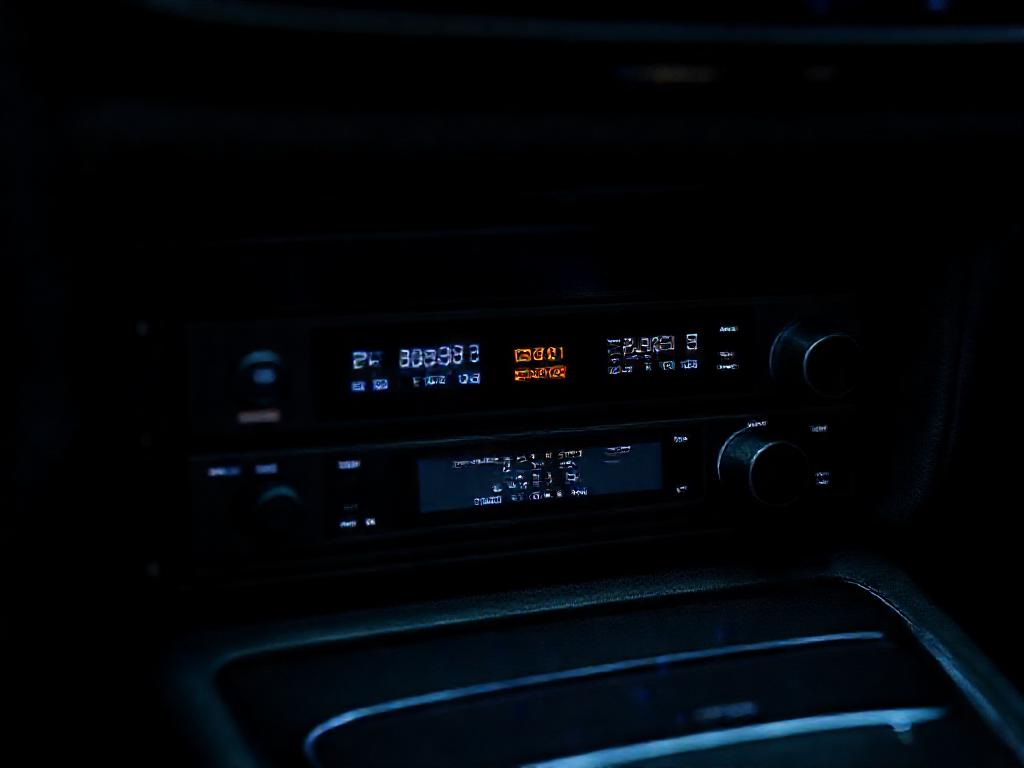
When it comes to car audio systems, DSP processing power is a game-changer. The right combination of speed and bit depth can mean the difference between mediocre sound and a truly immersive listening experience. But what exactly makes DSP processing power so critical, and how do these factors influence your system's performance?
Understanding DSP Processing Power in Car Audio
Digital Signal Processing (DSP) is the backbone of modern car audio systems. It shapes sound quality, corrects acoustic imperfections, and delivers a refined listening experience. But not all DSP units are created equal. The DSP processing power—determined by speed and bit depth—plays a crucial role in how effectively your system performs. Whether you're a casual listener or an audiophile, understanding these factors will help you make informed decisions when upgrading your car audio setup.
At its core, DSP processing power refers to the ability of a digital signal processor to manipulate audio signals in real time. This includes tasks like equalization, time alignment, crossover filtering, and room correction. The more powerful the DSP, the more precise and efficient these adjustments become. But why does this matter? Simply put, a high-performance DSP ensures that your music sounds as the artist intended, free from distortion and latency issues.
Why Speed Matters in DSP Processing
The Role of Clock Speed and MIPS
Speed in DSP processing is often measured in terms of clock speed (MHz or GHz) and Millions of Instructions Per Second (MIPS). These metrics determine how quickly the DSP can execute commands and process audio data. A higher clock speed means the DSP can handle more complex calculations in less time, reducing latency and improving real-time performance.
For example, a DSP with a 300 MHz clock speed will process audio signals faster than one with a 150 MHz clock speed. This is particularly important for advanced audio processing tasks like multi-band equalization or dynamic range compression. If the DSP is too slow, you may experience audible delays or artifacts, especially when applying multiple effects simultaneously.
Real-World Impact of DSP Speed
The speed of your DSP directly affects how well your system can handle demanding audio tasks. Here’s how:
- Time Alignment: Corrects phase issues between speakers, ensuring sound arrives at your ears simultaneously. A faster DSP calculates these adjustments more accurately.
- Crossover Filters: Splits audio signals into frequency bands for different speakers. High-speed DSPs prevent phase distortion and ensure smooth transitions between drivers.
- Room Correction: Adjusts for acoustic anomalies in your vehicle. A powerful DSP can apply complex algorithms without introducing noticeable delays.
- Dynamic Processing: Includes features like bass boost or loudness compensation. Faster DSPs handle these adjustments seamlessly, even at high volumes.
If you're running a high-end car audio system with multiple amplifiers and speakers, investing in a DSP with superior speed is non-negotiable. Slow processing can lead to muddy sound, poor imaging, and an overall lackluster listening experience.
The Importance of Bit Depth in DSP Processing
What Is Bit Depth?
Bit depth refers to the number of bits used to represent each sample of an audio signal. In simpler terms, it determines the resolution of the audio data. Common bit depths in car audio DSPs include 16-bit, 24-bit, and 32-bit. The higher the bit depth, the more accurately the DSP can represent the nuances of the original audio signal.
A 16-bit DSP, for example, can represent 65,536 discrete levels of audio, while a 24-bit DSP can represent over 16 million levels. This increased resolution translates to better dynamic range, lower noise floor, and more detailed sound reproduction. For audiophiles, higher bit depth is essential for preserving the subtleties of high-resolution audio files.
How Bit Depth Affects Sound Quality
Bit depth impacts several key aspects of sound quality:
- Dynamic Range: Higher bit depth allows for a wider dynamic range, meaning softer sounds are more audible, and louder sounds remain distortion-free.
- Noise Floor: A lower bit depth can introduce quantization noise, which degrades audio quality. Higher bit depths minimize this noise, resulting in cleaner sound.
- Headroom: More bits provide additional headroom for processing, reducing the risk of clipping when applying EQ or other effects.
- Detail and Clarity: Higher bit depths capture more detail in the audio signal, making instruments and vocals sound more lifelike.
For most car audio enthusiasts, a 24-bit DSP is the sweet spot, offering a balance between performance and cost. However, if you're working with high-resolution audio sources (like FLAC or DSD files), a 32-bit DSP may be worth the investment for its superior resolution and processing flexibility.
Balancing Speed and Bit Depth for Optimal Performance
Finding the Right Combination
While both speed and bit depth are critical, they must work together to deliver the best results. A DSP with high speed but low bit depth may process audio quickly but lack the resolution needed for high-fidelity sound. Conversely, a high bit depth DSP with slow processing speed may struggle with real-time adjustments, leading to latency or distortion.
When choosing a DSP, consider the following:
- Your Audio Sources: If you primarily listen to compressed MP3s, a 16-bit DSP may suffice. For high-resolution audio, opt for 24-bit or 32-bit.
- System Complexity: Multi-amp setups with active crossovers and room correction require a faster DSP to handle the workload.
- Future-Proofing: Investing in a DSP with higher speed and bit depth ensures compatibility with future audio formats and processing demands.
Practical Tips for Maximizing DSP Performance
To get the most out of your DSP, follow these best practices:
- Use High-Quality Audio Files: Even the best DSP can't compensate for poor source material. Opt for lossless formats like FLAC or WAV whenever possible.
- Minimize Unnecessary Processing: Overloading your DSP with too many effects can degrade performance. Focus on essential adjustments like EQ and time alignment.
- Calibrate Your System Properly: Use a microphone and measurement software to fine-tune your DSP settings for your vehicle's acoustics.
- Update Firmware Regularly: Manufacturers often release updates to improve DSP performance and add new features. Keep your system up to date.
- Choose the Right DSP for Your Needs: Not all systems require a high-end DSP. Assess your requirements and budget before making a purchase.
Common Misconceptions About DSP Processing Power
"More Bits Always Mean Better Sound"
While higher bit depth generally improves sound quality, it’s not the only factor. The quality of the DAC (Digital-to-Analog Converter), power supply, and analog circuitry also play significant roles. A 32-bit DSP with a poor DAC may not sound better than a 24-bit DSP with a high-quality DAC. Always consider the entire signal chain when evaluating performance.
"Faster DSPs Are Only for Professionals"
It’s a common myth that only professional audio engineers need high-speed DSPs. In reality, even casual listeners can benefit from faster processing. For example, a quick DSP ensures that bass-heavy music doesn’t suffer from lag or distortion, providing a more enjoyable listening experience for everyone.
"Bit Depth Doesn’t Matter for Car Audio"
Some argue that the noisy environment of a car makes high bit depth unnecessary. While it’s true that road noise can mask some audio details, a higher bit depth still improves dynamic range and reduces noise floor. This is especially noticeable in quieter passages or when listening to acoustic music.
Choosing the Right DSP for Your Car Audio System
Key Features to Look For
When shopping for a DSP, prioritize the following features to ensure optimal performance:
- High Clock Speed: Look for DSPs with clock speeds of 300 MHz or higher for smooth real-time processing.
- 24-Bit or Higher Bit Depth: Ensures high resolution and dynamic range for superior sound quality.
- Multiple Inputs and Outputs: Allows for flexible system configurations, including multi-amp setups.
- User-Friendly Software: Intuitive tuning software makes it easier to adjust settings and fine-tune your system.
- Compatibility: Ensure the DSP works with your existing head unit, amplifiers, and speakers.
Premium Options for Audiophiles
For those seeking the best in car audio performance, premium DSPs offer advanced features and unparalleled sound quality. Brands like Alchimist offer high-end DSP solutions designed for discerning listeners. With a legacy dating back to 1943, Alchimist’s products combine German engineering with cutting-edge technology, delivering exceptional DSP processing power and audio fidelity. Their processors are ideal for complex setups, providing the speed and bit depth needed to handle even the most demanding audio tasks.
Whether you're building a competition-level system or simply want the best sound possible, investing in a high-quality DSP is a game-changer. By understanding the importance of speed and bit depth, you can make an informed choice that elevates your car audio experience to new heights.
Final Thoughts: The Future of DSP in Car Audio
As car audio technology continues to evolve, DSP processing power will play an increasingly vital role. Advances in machine learning and AI are already being integrated into DSPs, enabling features like automatic room correction and adaptive EQ. These innovations promise to make car audio systems more intelligent and user-friendly, further enhancing the listening experience.
For now, focusing on the fundamentals—speed and bit depth—will ensure that your system performs at its best. Whether you're a seasoned audiophile or a newcomer to car audio, understanding these concepts will help you build a system that sounds incredible, no matter where the road takes you.
For more insights on optimizing your car audio, check out our DSP processors collection or read our guide on audio system tuning tips.