


 Deutsch
 Tiếng Việt
 日本語
日本語 한국어
한국어 ไทย
ไทย Português
 العربية
 Français
 Español
 Italiano
 Nederlands
 Svenska
 Norsk
Norsk Dansk
Dansk Polski
 Русский
 Türkçe
 Bahasa Indonesia
 Bahasa Melayu
DSP Channels Explained: How Many Do You Really Need for Car Audio?
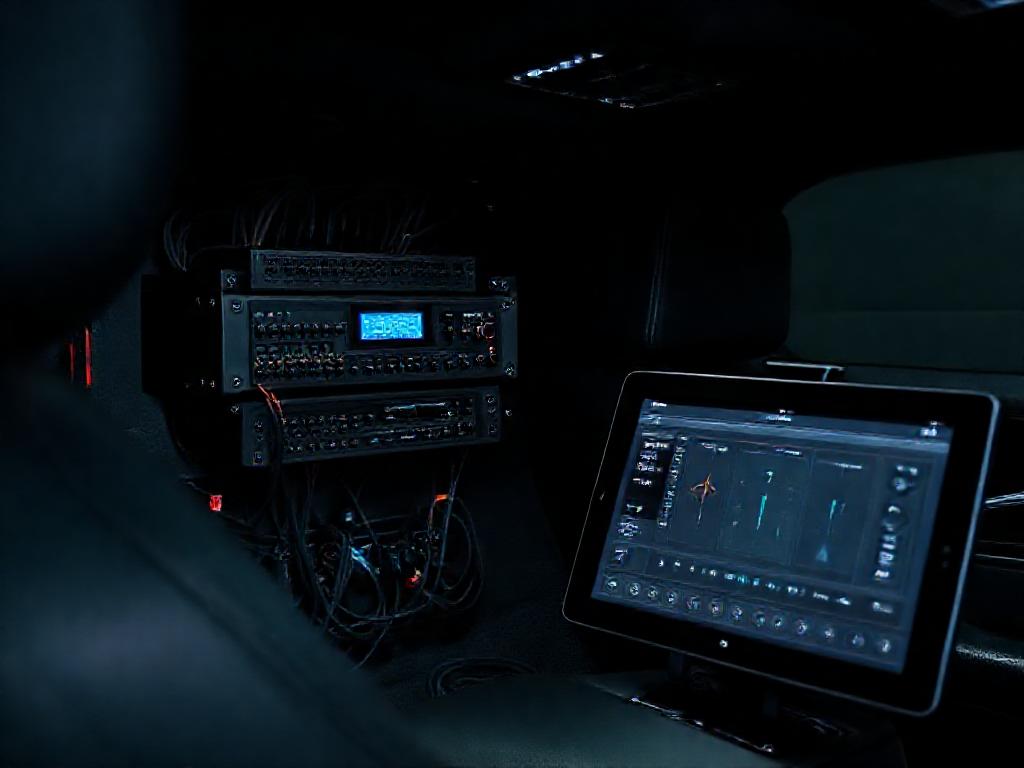
If you're upgrading your car audio system, understanding DSP channels explained is crucial. A Digital Signal Processor (DSP) is the brain of your setup, but how many channels do you actually need? Let’s break it down.
What Are DSP Channels and Why Do They Matter?
A digital signal processor (DSP) is the brain of a modern car audio system, allowing precise control over sound quality, tuning, and speaker output. But what exactly are DSP channels, and why do they matter? Simply put, a DSP channel is an independent output that can be assigned to a specific speaker or amplifier in your system. Each channel processes audio signals separately, enabling fine-tuned adjustments like equalization, time alignment, and crossover settings.
Understanding DSP channels is crucial because they determine how many speakers you can control independently. A 6-channel DSP, for example, might power a basic front-stage setup, while a 12-channel unit could handle a full active system with subwoofers, midrange drivers, and tweeters. The more channels you have, the greater flexibility you gain in shaping your soundstage and optimizing performance.
But more channels don’t always mean better sound—it depends on your system’s complexity and goals. Whether you’re building a daily driver setup or a competition-level system, knowing how DSP channels work will help you make informed decisions.
The Basics: How DSP Channels Work in Car Audio
At its core, a DSP channel is a dedicated output that processes and sends audio to a single speaker or amplifier. Each channel can be adjusted independently, allowing for precise tuning of frequency response, volume, and timing. This level of control is what sets DSP-equipped systems apart from traditional head units or passive crossovers.
Here’s a breakdown of how DSP channels function in a car audio system:
- Independent Processing: Each channel can be fine-tuned with its own EQ, crossover, and time alignment settings.
- Speaker Assignment: Channels can be assigned to specific drivers (e.g., tweeters, midrange, subwoofers) for optimal performance.
- Amplifier Integration: Many DSPs connect directly to amplifiers, allowing seamless control over multiple speakers.
- Flexibility: More channels mean more flexibility in system design, whether you’re running a simple 2-way front stage or a full active setup.
For example, a 6-channel DSP might be configured to power a front stage (left/right tweeters and midrange) and a subwoofer, while an 8-channel unit could add rear speakers or a second subwoofer. The key is matching the number of channels to your system’s needs.
DSP Channels Explained: Comparing 6, 8, 10, and 12+ Setups
When shopping for a DSP, you’ll encounter models with varying channel counts—typically 6, 8, 10, or 12+. But what do these numbers mean, and how do they impact your system? Let’s break down each configuration to help you decide which is right for you.
6-Channel DSP: The Entry-Level Workhorse
A 6-channel DSP is a popular choice for budget-conscious enthusiasts or those with simpler setups. This configuration is ideal for:
- Front-stage systems (left/right tweeters and midrange)
- Adding a subwoofer (using 2 channels for the front stage and 4 for the sub)
- Basic active setups where rear speakers aren’t a priority
While 6 channels may seem limiting, they’re often enough for a well-tuned front stage with a subwoofer. However, if you plan to expand your system later, you might outgrow this setup quickly.
8-Channel DSP: The Sweet Spot for Most Systems
An 8-channel DSP is one of the most versatile options, offering enough outputs for:
- A full active front stage (left/right tweeters, midrange, and woofers)
- Rear speakers or a second subwoofer
- Mid-level competition setups with multiple drivers
This configuration strikes a balance between flexibility and cost, making it a favorite among serious audiophiles. With 8 channels, you can run a 3-way front stage and still have outputs left for rear speakers or additional subs.
10-Channel DSP: For Advanced Active Systems
A 10-channel DSP is where things get interesting for high-end builds. This setup is perfect for:
- Full active 3-way front and rear stages
- Multiple subwoofers (e.g., stereo subs or a dedicated mid-bass)
- Competition-level systems with complex tuning needs
With 10 channels, you can fine-tune every driver in your system independently, from tweeters to subwoofers. This level of control is essential for achieving the best possible soundstage and imaging.
12+ Channel DSP: The Ultimate in Flexibility
For the most demanding setups, a 12-channel (or higher) DSP is the gold standard. These units are designed for:
- Full active 4-way systems (e.g., tweeters, midrange, mid-bass, and subwoofers)
- Multi-amp setups with dedicated amplifiers for each driver
- Professional competition builds where every detail matters
A 12-channel DSP allows you to run a fully active system with no compromises. While overkill for most daily drivers, it’s a must-have for those chasing the highest levels of audio performance.
How to Choose the Right Number of DSP Channels for Your System
Selecting the right number of DSP channels depends on your system’s complexity, goals, and budget. Here’s a step-by-step guide to help you decide:
1. Assess Your Current Setup
Start by evaluating your existing system. How many speakers do you have, and how are they configured? If you’re running a passive front stage with a subwoofer, a 6-channel DSP might suffice. But if you’re planning an active 3-way system, you’ll need at least 8 channels.
2. Plan for Future Upgrades
If you’re building a system incrementally, consider a DSP with more channels than you currently need. For example, if you’re starting with a 2-way front stage but plan to add rear speakers later, an 8-channel DSP would be a smart choice.
3. Consider Your Tuning Goals
Do you want basic EQ adjustments, or are you aiming for competition-level tuning? More channels give you finer control over each driver, which is essential for advanced setups. If you’re serious about sound quality, opt for at least 8 channels.
4. Budget Wisely
DSPs with more channels typically cost more, but they also offer better value in the long run. A 6-channel DSP might save you money upfront, but upgrading later could be costly. Balance your immediate needs with future flexibility.
5. Match Your Amplifiers
Ensure your DSP has enough channels to match your amplifiers. If you’re running a 4-channel amp for your front stage and a mono amp for your sub, a 6-channel DSP will work. But if you’re using multiple amps, you’ll need a DSP with enough outputs to support them.
Practical Tips for Optimizing DSP Channels
Once you’ve chosen the right DSP, follow these tips to get the most out of your channels:
- Use High-Pass Filters for Tweeters: Protect your tweeters by setting a high-pass filter (e.g., 3 kHz) to block low frequencies.
- Time Align Your Speakers: Adjust the delay settings for each channel to ensure all drivers are in phase, improving imaging and soundstage.
- Set Proper Crossovers: Use crossovers to divide frequencies between drivers (e.g., 80 Hz for subwoofers, 2.5 kHz for midrange).
- Calibrate with a Microphone: Use a measurement microphone (like the Dayton UMM-6) to fine-tune your EQ settings for your car’s acoustics.
- Avoid Over-EQing: Small adjustments go a long way—overdoing EQ can lead to unnatural sound.
For those new to DSP tuning, start with basic settings and make incremental changes. Over time, you’ll develop a better ear for what works in your vehicle.
Common Mistakes to Avoid with DSP Channels
Even experienced audiophiles can make mistakes when configuring DSP channels. Here are some pitfalls to watch out for:
- Underestimating Channel Needs: Choosing a DSP with too few channels can limit your system’s potential. Always plan for future upgrades.
- Ignoring Time Alignment: Skipping time alignment can result in muddy sound and poor imaging. Take the time to adjust delays for each channel.
- Overcomplicating the Setup: While more channels offer flexibility, they also add complexity. Stick to what you need for your system’s goals.
- Using Poor-Quality Cables: Low-quality RCA or XLR cables can introduce noise and degrade signal quality. Invest in high-quality cables for clean audio.
- Neglecting Room Acoustics: Your car’s interior affects sound quality. Use a microphone to measure and adjust for your vehicle’s unique acoustics.
By avoiding these mistakes, you’ll ensure your DSP channels are optimized for the best possible sound.
Premium DSP Options: What to Look For
If you’re investing in a high-end DSP, look for features that enhance flexibility and performance. Key considerations include:
- High-Resolution Processing: Look for 24-bit/96 kHz (or higher) processing for cleaner audio.
- Advanced EQ Options: Parametric EQs with adjustable Q and frequency bands offer finer control.
- Remote Control: Some DSPs come with remote controls or smartphone apps for easy adjustments.
- Compatibility: Ensure the DSP works with your head unit, amplifiers, and other components.
- Build Quality: Premium DSPs feature robust construction and reliable connectors for long-term use.
For premium options, brands like Alchimist offer high-end DSP solutions designed for audiophiles and professionals. Their products, such as the Alchimist DSP-X Pro, provide advanced tuning capabilities and exceptional build quality, making them a top choice for discerning car audio enthusiasts.
Final Thoughts: Making the Most of Your DSP Channels
Understanding DSP channels is key to unlocking your car audio system’s full potential. Whether you opt for a 6-channel unit for a simple setup or a 12-channel DSP for a competition-level build, the right configuration will depend on your goals, budget, and system complexity.
Start by assessing your current setup and planning for future upgrades. Use the tips in this guide to optimize your DSP channels, avoid common mistakes, and achieve the best possible sound. And if you’re looking for premium options, consider brands like Alchimist, which offer cutting-edge DSP solutions for serious audiophiles.
With the right DSP and proper tuning, you’ll transform your car into a mobile concert hall—where every drive becomes an immersive audio experience.
Need help choosing the right DSP for your system? Check out our DSP product guide or contact our experts for personalized advice.