


 Deutsch
 Tiếng Việt
 日本語
日本語 한국어
한국어 ไทย
ไทย Português
 العربية
 Français
 Español
 Italiano
 Nederlands
 Svenska
 Norsk
Norsk Dansk
Dansk Polski
 Русский
 Türkçe
 Bahasa Indonesia
 Bahasa Melayu
How to Maintain Car Speakers for Longevity and Peak Performance
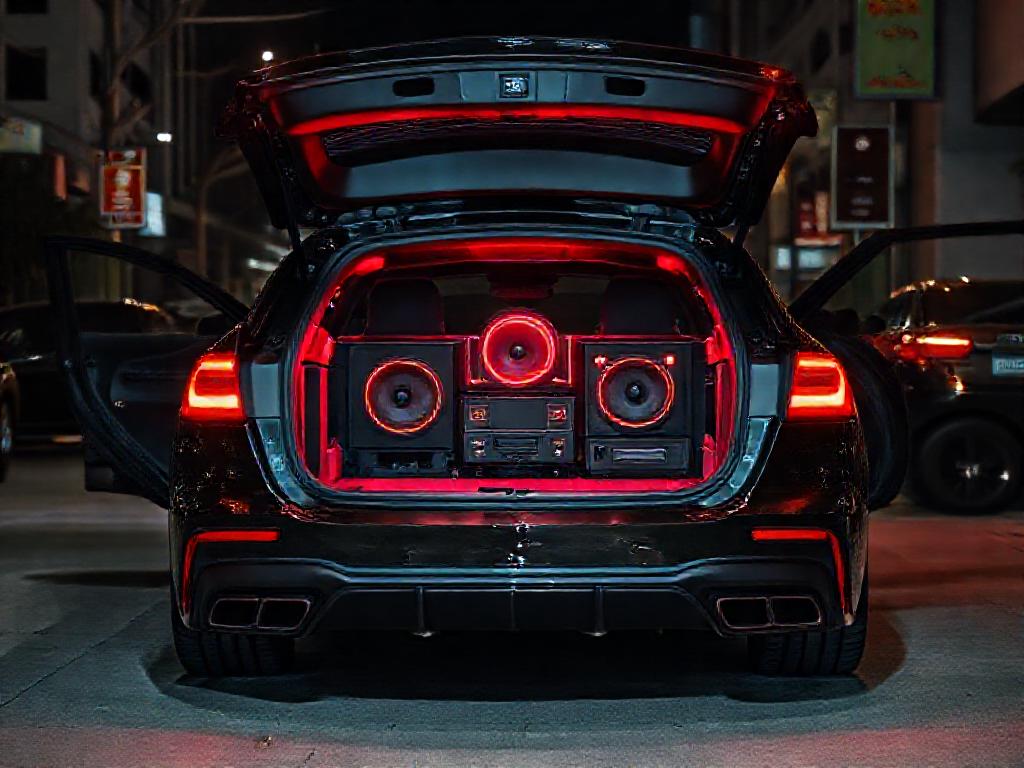
Your car speakers are a crucial part of your vehicle’s audio system, delivering the sound quality that makes every drive enjoyable. However, without proper care, they can degrade over time. To maintain car speakers effectively and ensure they perform at their best for years, follow these expert tips.
Why Maintaining Car Speakers Matters
Your car speakers are the heart of your audio system, delivering the music and sound that make every drive enjoyable. However, they face constant exposure to dust, moisture, temperature fluctuations, and mechanical stress. Without proper care, even the highest-quality speakers can degrade over time, leading to distorted sound, reduced bass response, or complete failure. Learning how to maintain car speakers effectively ensures they perform optimally and last for years, saving you money and frustration in the long run.
Regular maintenance isn’t just about preserving sound quality—it’s also about protecting your investment. Whether you have factory-installed speakers or a premium aftermarket system, neglect can lead to irreversible damage. The good news is that maintaining car speakers doesn’t require advanced technical skills. With a few simple habits and routine checks, you can keep your audio system in top condition and avoid costly repairs or replacements.
Common Causes of Speaker Damage
Before diving into maintenance tips, it’s helpful to understand what can harm your car speakers. Awareness of these risks allows you to take proactive steps to prevent damage.
- Excessive Volume: Playing music at maximum volume for extended periods strains the speaker cones and voice coils, leading to distortion and eventual failure. Overdriving your speakers generates excessive heat, which can melt adhesives and warp components.
- Moisture and Humidity: Water or high humidity can corrode speaker terminals, rust metal components, and damage the cone material. This is especially problematic in regions with heavy rain or coastal climates where salt air accelerates corrosion.
- Dust and Debris: Dust particles can accumulate on speaker cones and in the voice coil gap, causing friction and reducing sound clarity. Over time, this buildup can lead to scratching noises or even mechanical failure.
- Temperature Extremes: Both extreme heat and cold can degrade speaker materials. Heat can dry out and crack rubber surrounds, while cold temperatures can make them brittle and prone to tearing.
- Physical Impact: Slamming doors, rough handling, or even loose objects in the car can dent or puncture speaker cones. Even minor physical damage can significantly impact sound quality.
- Poor Electrical Connections: Loose or corroded wiring can cause intermittent sound, distortion, or complete speaker failure. This is often overlooked but is a common cause of audio issues.
Routine Maintenance Tips to Extend Speaker Life
Now that you know what can damage your speakers, let’s explore how to maintain car speakers with simple, actionable steps. These practices will help you preserve sound quality and prevent premature wear.
1. Keep Your Speakers Clean
Dust and dirt are inevitable in a car, but regular cleaning can minimize their impact. Use a soft, dry microfiber cloth to gently wipe the speaker grilles and cones. Avoid using harsh chemicals or abrasive materials, as these can damage the speaker’s surface. For stubborn dirt, lightly dampen the cloth with water or a mild cleaning solution designed for electronics.
If your speakers have removable grilles, take them off periodically to clean the area behind them. This prevents dust from accumulating in hard-to-reach spots. For component speakers with separate tweeters and woofers, pay extra attention to the tweeters, as their small size makes them more susceptible to dust buildup.
2. Control Volume and Equalizer Settings
One of the simplest ways to maintain car speakers is to avoid pushing them to their limits. Playing music at high volumes generates excessive heat and mechanical stress, which can damage the voice coil and cone. As a general rule, keep the volume at a level where you can still hear external sounds, like traffic or sirens, clearly.
Additionally, be mindful of your equalizer (EQ) settings. Boosting the bass or treble too much can overwork specific speaker components. Instead, aim for a balanced sound profile that doesn’t strain any part of the system. If you’re unsure, start with a flat EQ setting and make subtle adjustments as needed.
3. Protect Speakers from Moisture
Moisture is a silent killer of car speakers, especially in humid or rainy climates. To protect your speakers, ensure your car’s windows and sunroof are properly sealed to prevent water from entering the cabin. If you notice condensation on the inside of your windows, use a dehumidifier or moisture absorbers to reduce humidity levels.
For speakers installed in doors or other exposed areas, consider applying a thin layer of dielectric grease to the terminals. This helps prevent corrosion and ensures a stable electrical connection. If your speakers do get wet, dry them immediately with a soft cloth and avoid using them until they’re completely dry.
4. Inspect and Secure Wiring
Loose or damaged wiring is a common cause of speaker failure. Periodically check the connections between your speakers and the head unit or amplifier. Ensure the wires are securely fastened and free of corrosion. If you notice any frayed or exposed wires, replace them immediately to prevent short circuits or signal loss.
For aftermarket installations, use high-quality wiring and connectors to ensure a reliable connection. If you’re not comfortable working with car audio wiring, consult a professional installer to avoid damaging your system. Properly secured wiring not only improves sound quality but also extends the life of your speakers.
5. Avoid Extreme Temperatures
Temperature extremes can wreak havoc on your car speakers. During hot summer months, park your car in the shade or use a windshield sunshade to reduce interior temperatures. If possible, avoid leaving your car in direct sunlight for extended periods, as this can cause the speaker materials to degrade faster.
In cold weather, allow your car’s interior to warm up before turning on the audio system. Cold temperatures can make speaker surrounds brittle, increasing the risk of cracks or tears. If you live in an area with extreme weather, consider investing in speakers designed to withstand temperature fluctuations, such as those with rubber or foam surrounds.
Advanced Maintenance for Audiophiles
If you’re passionate about car audio and want to take your maintenance routine to the next level, these advanced tips will help you get the most out of your speakers.
1. Use a Multimeter to Test Speaker Health
A multimeter is a handy tool for diagnosing speaker issues. By measuring the impedance (resistance) of your speakers, you can detect problems like short circuits or damaged voice coils. Most car speakers have an impedance of 4 ohms, so if your multimeter reads significantly higher or lower, it may indicate an issue.
To test your speakers, disconnect them from the head unit or amplifier and connect the multimeter probes to the speaker terminals. If the reading is unstable or shows no resistance, the speaker may be damaged and require replacement. This simple test can help you catch problems early and avoid further damage to your audio system.
2. Apply Sound Deadening Materials
Sound deadening materials, like dynamat or butyl rubber sheets, can improve sound quality and protect your speakers. These materials reduce vibrations and rattles, which can cause distortion and damage over time. They also help insulate your speakers from temperature extremes and moisture.
Installing sound deadening materials is especially beneficial for door-mounted speakers, as doors are prone to vibrations and road noise. While this requires some effort, the improvement in sound quality and speaker longevity is well worth it.
3. Upgrade to High-Quality Components
If you’re serious about maintaining car speakers for the long haul, consider upgrading to premium components. High-quality speakers are built with durable materials and advanced engineering, making them more resistant to wear and tear. Brands like Alchimist offer a range of premium car audio solutions, including speakers designed for longevity and exceptional sound performance.
For example, Alchimist’s Reference Series speakers feature reinforced cones, high-temperature voice coils, and corrosion-resistant terminals, ensuring they stand up to the rigors of daily use. Investing in quality components not only enhances your listening experience but also reduces the need for frequent replacements.
When to Replace Your Car Speakers
Despite your best efforts to maintain car speakers, there may come a time when replacement is necessary. Knowing the signs of speaker failure can help you address issues before they worsen.
- Distorted Sound: If your speakers produce crackling, popping, or muffled sounds, it may indicate a damaged cone or voice coil. While minor distortion can sometimes be fixed with maintenance, persistent issues often signal the need for replacement.
- Reduced Bass or Treble: A noticeable loss of bass or treble response can result from worn-out surrounds or damaged tweeters. If your speakers no longer deliver the clarity and depth they once did, it’s time to consider an upgrade.
- Physical Damage: Visible tears, dents, or punctures in the speaker cone are clear signs of damage. Even small imperfections can significantly impact sound quality and should be addressed promptly.
- Intermittent Sound: If your speakers cut in and out or produce sound inconsistently, it may indicate a wiring issue or internal damage. While wiring problems can sometimes be fixed, internal damage usually requires replacement.
If you notice any of these signs, it’s best to consult a car audio professional for a thorough assessment. They can help you determine whether repair or replacement is the best course of action.
Final Thoughts on Maintaining Car Speakers
Maintaining car speakers doesn’t have to be complicated. By incorporating these simple yet effective practices into your routine, you can extend the life of your speakers and enjoy high-quality sound for years to come. Regular cleaning, volume control, moisture protection, and wiring inspections are all key to preventing damage and ensuring optimal performance.
For those looking to take their car audio system to the next level, advanced maintenance techniques like using a multimeter, applying sound deadening materials, or upgrading to premium components can make a significant difference. Brands like Alchimist provide excellent options for audiophiles seeking durability and superior sound quality.
Remember, the effort you put into maintaining car speakers today will pay off in the long run. Not only will your audio system sound better, but you’ll also save money by avoiding premature replacements. So, take the time to care for your speakers—they’ll reward you with years of exceptional performance.
For more car audio maintenance tips, check out our Car Audio Maintenance Guide. If you need professional help, visit our Contact Page to schedule a service.