


 Deutsch
 Tiếng Việt
 日本語
日本語 한국어
한국어 ไทย
ไทย Português
 العربية
 Français
 Español
 Italiano
 Nederlands
 Svenska
 Norsk
Norsk Dansk
Dansk Polski
 Русский
 Türkçe
 Bahasa Indonesia
 Bahasa Melayu
European Car Audio Trends in 2026
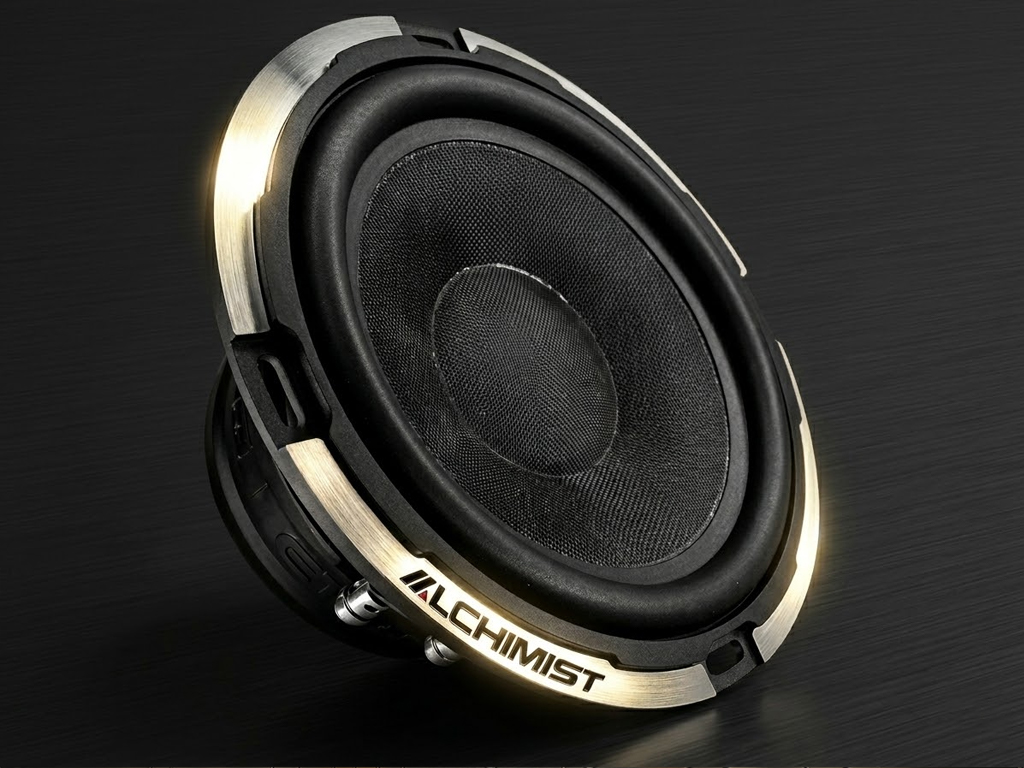
The European car audio aftermarket is in the midst of a significant transformation. Electric vehicles are rewriting the acoustic rulebook, digital signal processing has become the centrepiece of every serious installation, and consumer expectations around sound quality have never been higher. As we move through 2026, several clear trends are shaping the industry across the continent. Whether you are a seasoned enthusiast or just beginning to explore upgraded car audio, understanding these trends will help you make smarter decisions about your next build.
How Are Electric Vehicles Changing Car Audio in Europe?
The rapid adoption of electric vehicles across Europe is arguably the single biggest force reshaping car audio in 2026. Without an internal combustion engine generating constant noise, the interior of an EV is dramatically quieter. This has two important consequences for audio enthusiasts.
First, the quiet cabin reveals flaws that engine noise previously masked. Amplifier hiss, poorly shielded signal cables, speaker resonances, and panel vibrations all become audible in a way they never were in a petrol or diesel car. This has driven demand for ultra-low-noise components and meticulous installation practices. Sound-deadening, always important, is now approached with even greater care because the threshold at which cabin noise becomes noticeable has dropped significantly.
Second, the absence of engine noise means that listeners can enjoy music at lower volumes while still hearing every detail. This shifts the performance priority from raw power toward resolution, clarity, and dynamic nuance. A well-tuned DSP system in an EV, such as one built around the Alchimist AD12H-1500, can deliver a listening experience that genuinely approaches home hi-fi quality. The car has never been a better environment for critical listening than it is today.
European manufacturers are responding with EV-specific product lines. Amplifiers with improved signal-to-noise ratios, speakers designed for the different acoustic loading of EV cabins, and DSP calibration profiles optimised for low-noise environments are all entering the market in 2026.
Why Is DSP Now Considered Essential Rather Than Optional?
Five years ago, a DSP processor was viewed as an enthusiast upgrade, something for competition builders and dedicated audiophiles. In 2026, it has become the foundation of any serious car audio system in Europe. Several factors have driven this shift.
The integration of amplification into DSP units has simplified system architecture. Products like the Alchimist AD10K-800, which combines multi-channel DSP processing with built-in amplification, eliminate the need for separate amplifier units and reduce cabling complexity. For installers, this means faster build times and fewer potential points of failure. For consumers, it means better sound from a simpler system.
App-based tuning has lowered the barrier to entry. Where DSP configuration once required a laptop, proprietary software, and significant technical knowledge, modern processors are controlled via smartphone and tablet applications with intuitive interfaces. Real-time adjustment from the driver's seat, guided setup wizards, and the ability to save and share tuning profiles have made DSP accessible to a much wider audience.
The growing awareness of time alignment as a critical factor in car audio has also helped. As more enthusiasts hear properly time-aligned systems at shows and competitions, the difference becomes impossible to ignore. A time-aligned system creates a coherent soundstage that appears to originate from the front of the vehicle, rather than from individual speakers scattered around the cabin. Once you have heard this done well, going back to an unprocessed system feels fundamentally compromised.
What Is the Role of AI and Machine Learning in Car Audio?
Artificial intelligence is beginning to make a tangible impact on car audio in 2026, primarily in the area of automatic system calibration. AI-driven auto-tune systems use a measurement microphone at the listening position to capture the impulse response of the cabin, then apply machine learning algorithms to generate correction curves for equalization, time alignment, and crossover settings.
The appeal is obvious: a process that traditionally required hours of manual measurement and adjustment can be completed in minutes. The results are often surprisingly good, especially for listeners who lack the experience to tune a system by ear. However, experienced tuners note that AI calibration works best as a starting point rather than a final destination. The algorithms optimise for technical measurements, but the subjective preference of the listener may differ from what the software considers ideal.
European DSP manufacturers are integrating these capabilities at varying levels of sophistication. Basic auto-EQ features are appearing in mid-range processors, while advanced AI calibration with iterative learning is reserved for flagship models. The trend is clearly toward greater automation, but manual tuning capability remains essential for those who want to fine-tune their system to personal taste.
How Is the European Market Responding to High-Resolution Audio?
The availability of high-resolution audio streaming services has grown substantially in Europe during 2025 and 2026. Platforms now offer lossless and hi-res streams as standard tiers, and European consumers, with their strong tradition of audio appreciation, have been enthusiastic adopters.
This has implications for car audio hardware. DAC quality matters more when the source material contains information above CD resolution. Processors need to handle sample rates of 96 kHz and above without downsampling. Amplifiers must have sufficient dynamic range to preserve the benefits of hi-res files. And speakers need to be capable enough to reproduce the additional detail that high-resolution recordings contain.
The practical reality is that the car environment imposes its own limitations. Road noise, cabin reflections, and the listening position all constrain what is achievable. But the gap between what a car system can deliver and what the source material offers has narrowed dramatically. A well-installed system with a capable DSP like the Alchimist AD10H-700 can resolve differences between standard and high-resolution sources, which was not always the case with older equipment.
What Speaker Technologies Are Gaining Traction?
Speaker design continues to evolve, and several trends are visible across the European market in 2026:
- Slim-profile woofers: As vehicles become more compact and interior space more constrained, demand for shallow-mount speakers has surged. Neodymium magnets and flat-spider designs allow manufacturers to build drivers that fit in tight door cavities without sacrificing excursion or power handling.
- Wide-bandwidth mid-range drivers: The trend toward active multi-way systems has increased the importance of the mid-range driver. Manufacturers are developing woofers with extended high-frequency response that can play up to 5 kHz or beyond, reducing the demands on the tweeter and simplifying crossover design.
- Beryllium and exotic tweeter diaphragms: High-end tweeters using beryllium, diamond-coated aluminium, and other exotic materials continue to push the boundaries of high-frequency extension and distortion performance. While expensive, these drivers are increasingly appearing in mid-tier systems as manufacturing costs decrease.
- Coaxial renaissance: High-quality coaxial speakers, once dismissed as a compromise, are experiencing renewed interest. Modern coaxials with advanced crossover networks and quality tweeter assemblies offer excellent imaging from a single mounting point, which simplifies installation in vehicles with limited mounting locations. The Alchimist AS-G65 coaxial speakers represent this trend well, delivering component-like performance from a convenient coaxial format.
How Is the Installation Culture Evolving?
The profile of the typical car audio customer in Europe is changing. Younger enthusiasts, raised on digital technology, expect seamless connectivity, app-based control, and clean aesthetics. They are less interested in visible amplifier racks and more interested in stealth installations that preserve the factory look of the interior.
This has elevated the importance of integration. Modern installations route DSP processors and amplifiers in hidden locations, use factory speaker positions wherever possible, and maintain the factory appearance of the dashboard and door cards. The skill of the installer is measured not by what you can see, but by what you can hear.
At the same time, the DIY community has grown substantially, fuelled by tutorial content online and the accessibility of modern DSP interfaces. Enthusiasts who would never have attempted a full system build a decade ago are now confidently installing processors, speakers, and amplifiers with professional results. This democratisation of car audio knowledge is one of the most positive trends in the European market.
What About Sustainability and European Regulations?
European regulations around sustainability and electronic waste are beginning to influence product design. Manufacturers are exploring longer product lifecycles, firmware-upgradeable processors that do not need to be replaced as standards evolve, and recyclable packaging. The shift toward integrated DSP-amplifier units also reduces material usage compared to separate component systems.
Lead-free manufacturing processes, RoHS compliance, and REACH regulations have been standard in Europe for years, but the scope of environmental consideration is expanding. Some manufacturers are now publishing environmental impact data for their products, and eco-conscious consumers are factoring sustainability into their purchasing decisions alongside acoustic performance.
Where Is European Car Audio Heading?
The convergence of electric vehicles, digital processing, artificial intelligence, and high-resolution audio is creating the most exciting period in car audio history. European enthusiasts and manufacturers are at the centre of this evolution, driven by a culture that values engineering quality, acoustic accuracy, and thoughtful design.
For consumers, the message is clear: there has never been a better time to invest in a quality car audio system. The tools available today, from advanced DSP processors to precisely engineered speakers, allow anyone to achieve results that were reserved for competition vehicles just a decade ago. And as the technology continues to advance, the gap between what is possible in a car and what is possible in a dedicated listening room will continue to narrow.
Explore the full Alchimist product range to see how German-engineered DSP processors and speakers can bring these trends into your vehicle today.