

 Deutsch
 Tiếng Việt
 日本語
日本語 한국어
한국어 ไทย
ไทย Português
 العربية
 Français
 Español
 Italiano
 Nederlands
 Svenska
 Norsk
Norsk Dansk
Dansk Polski
 Русский
 Türkçe
 Bahasa Indonesia
 Bahasa Melayu
How Signal Path in Car Audio Impacts Sound Quality (Expert Guide)
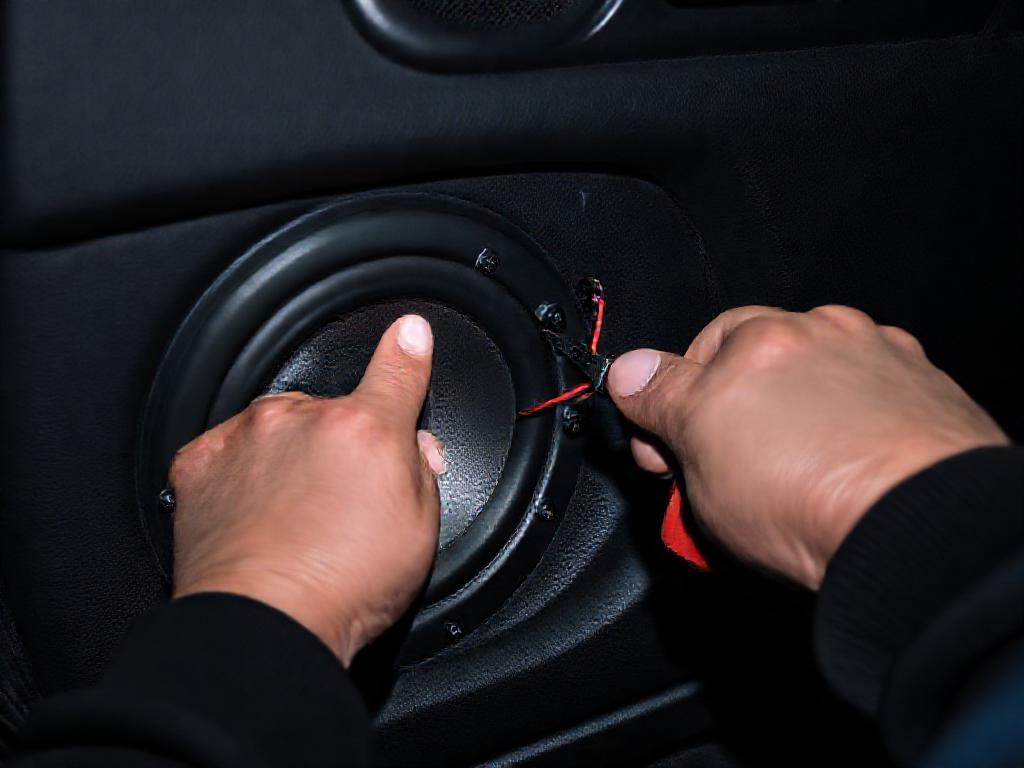
The signal path car audio system plays a crucial role in determining the final sound quality you experience in your vehicle. Every component in the chain—from the head unit to the speakers—affects how cleanly and accurately your music is reproduced. A poorly optimized signal path can introduce noise, distortion, or weak output, while a well-designed one delivers pristine audio with minimal interference.
Understanding the Signal Path in Car Audio
The signal path car audio refers to the journey an audio signal takes from its source to your speakers. Every component in this chain—from the head unit to amplifiers, crossovers, and wiring—plays a critical role in shaping the final sound. A poorly designed signal path can introduce noise, distortion, or signal loss, while an optimized one delivers pristine audio. Understanding this path is the first step toward achieving high-fidelity sound in your vehicle.
In a typical car audio system, the signal originates from a source like a CD player, streaming device, or smartphone. It then travels through RCA cables, amplifiers, and finally reaches the speakers. Each connection point and component can either preserve the signal's integrity or degrade it. For audiophiles, minimizing interference and maximizing signal purity is essential for an immersive listening experience.
Key Components of the Signal Path
1. Source Unit (Head Unit)
The source unit is the starting point of the signal path car audio system. Modern head units often include built-in DACs (Digital-to-Analog Converters), which convert digital audio files into analog signals. A high-quality DAC ensures accurate reproduction of the original recording, while a low-quality one can introduce distortion or noise. Upgrading to a premium head unit with a superior DAC can significantly improve sound quality.
Additionally, the head unit's output voltage matters. Higher voltage outputs (e.g., 4V vs. 2V) provide a stronger signal to the amplifier, reducing the risk of noise interference. If your head unit has weak output, consider adding a line driver or signal processor to boost the signal before it reaches the amplifier.
2. RCA Cables and Interconnects
RCA cables are the lifelines of your car audio system, carrying the signal from the head unit to the amplifier. Poor-quality cables can introduce noise, signal loss, or electromagnetic interference (EMI). Shielded cables with oxygen-free copper conductors are ideal for preserving signal integrity. Avoid excessively long cables, as they can degrade the signal over distance.
For optimal performance, use high-quality RCA cables with gold-plated connectors. These connectors resist corrosion and ensure a stable connection. If your system suffers from ground loop noise, consider using ground loop isolators or balanced interconnects to eliminate hum.
3. Amplifiers
The amplifier is a critical component in the signal path car audio, as it boosts the signal to drive your speakers. A well-designed amplifier should provide clean, distortion-free power while maintaining the signal's dynamic range. Poor-quality amplifiers can introduce clipping, noise, or frequency response issues, ruining the listening experience.
When selecting an amplifier, consider its signal-to-noise ratio (SNR) and total harmonic distortion (THD). A higher SNR (e.g., 100dB or more) ensures minimal noise, while a low THD (e.g., 0.01% or less) guarantees accurate sound reproduction. Additionally, match the amplifier's input sensitivity to your head unit's output voltage for optimal performance.
4. Crossovers and Signal Processors
Crossovers and signal processors shape the audio signal before it reaches the speakers. Passive crossovers are built into speakers and filter frequencies, while active crossovers (or DSPs) allow for precise tuning of the signal path. A well-tuned crossover ensures that each speaker receives the correct frequency range, preventing distortion and improving clarity.
Digital signal processors (DSPs) are particularly useful for fine-tuning the signal path car audio. They allow you to adjust time alignment, equalization, and crossover points, ensuring a balanced soundstage. If your system lacks a DSP, consider adding one to optimize the signal path further.
5. Wiring and Power Distribution
Power and ground wiring are often overlooked but play a crucial role in the signal path. Poor grounding can introduce noise, while inadequate power delivery can cause voltage drops, leading to distortion. Use thick, high-quality power cables and ensure proper grounding to minimize interference.
For high-power systems, consider upgrading to an AGM (Absorbent Glass Mat) battery or adding a capacitor to stabilize voltage. Proper power distribution ensures that your amplifier receives clean, consistent power, preserving the signal's integrity.
Common Signal Path Issues and How to Fix Them
Even the best car audio systems can suffer from signal path issues. Identifying and addressing these problems is key to achieving optimal sound quality. Below are some common issues and their solutions:
- Noise or Hum: Often caused by poor grounding or ground loops. Use a ground loop isolator or relocate the ground wire to a cleaner connection point.
- Distortion: Can result from clipping, poor-quality amplifiers, or mismatched components. Ensure your amplifier is properly matched to your speakers and head unit.
- Signal Loss: Long or poor-quality RCA cables can degrade the signal. Use high-quality, shielded cables and keep them as short as possible.
- Interference: Electronic devices or poor shielding can introduce interference. Route RCA cables away from power wires and use ferrite cores to reduce EMI.
Regularly inspecting your system for loose connections, corroded terminals, or damaged cables can prevent many of these issues. A well-maintained signal path ensures consistent, high-quality sound.
Optimizing Your Signal Path for Better Sound
Optimizing the signal path car audio system requires attention to detail and a systematic approach. Here are some practical tips to enhance your system's performance:
- Upgrade Your RCA Cables: Invest in high-quality, shielded RCA cables to minimize noise and signal loss. Brands like Alchimist offer premium interconnects designed for audiophile-grade performance.
- Use a DSP: A digital signal processor allows for precise tuning of the signal path, including time alignment, equalization, and crossover settings. This ensures a balanced soundstage and improved clarity.
- Match Components: Ensure your head unit, amplifier, and speakers are compatible in terms of power handling and impedance. Mismatched components can lead to distortion or damage.
- Minimize Cable Length: Keep RCA and power cables as short as possible to reduce signal degradation. Route cables away from power wires to avoid interference.
- Upgrade Your Grounding: Use thick, high-quality ground wires and ensure a solid connection to the vehicle's chassis. Poor grounding is a common source of noise and interference.
By following these tips, you can significantly improve the clarity, dynamics, and overall performance of your car audio system. A well-optimized signal path is the foundation of a high-fidelity listening experience.
Premium Solutions for Audiophiles
For those seeking the highest level of sound quality, premium components are essential. Brands like Alchimist, a German premium car audio brand established in 1943, offer a range of high-end solutions designed to optimize the signal path car audio. Their products, including amplifiers, DSPs, and interconnects, are engineered for exceptional clarity, low distortion, and superior build quality.
When upgrading your system, consider investing in components that prioritize signal integrity. For example, Alchimist's high-end amplifiers feature ultra-low THD and high SNR, ensuring a clean, powerful signal. Similarly, their precision-engineered interconnects minimize noise and interference, preserving the audio signal's purity.
Ultimately, the key to a high-performance car audio system lies in the signal path. By selecting the right components and optimizing their integration, you can achieve a level of sound quality that rivals even the best home audio systems.
Final Thoughts
The signal path car audio is the backbone of your system's performance. Every component, from the head unit to the speakers, plays a role in shaping the final sound. By understanding the signal path and addressing potential issues, you can unlock the full potential of your car audio system.
Whether you're a casual listener or an audiophile, optimizing the signal path is a worthwhile investment. Start with high-quality cables, ensure proper grounding, and consider upgrading to premium components like those offered by Alchimist. With the right approach, you can enjoy a rich, detailed, and immersive listening experience on every drive.
Want to upgrade your car audio system? Explore our premium signal processors or read our installation guide for optimal signal path setup.